The State Fair Is a Classroom
A Montessori Guide for Families
By Erika Estrada, Before School Care Guide
Wednesday, September 9, 2026
When I tell people that my family goes to the State Fair of Texas a couple of times a week for nearly the entire time it is open, they usually find it hard to believe.
How? And maybe more importantly, why?
First, we don't try to "do the Fair" in one day. We take our own food, use public transportation or rideshare when we can, pack a blanket, and break the Fair into parts. One visit might be mostly about the livestock barns. Another might include the Creative Arts Building and a cooking demonstration. We usually choose only one or two shows per visit, and as the weeks go on, we revisit our favorites. I also give my children choices. I may narrow down the possibilities, but they help decide where we go and what we spend our time doing.
We love the Fair, but we experience it a little differently. Over the years, it has become one of my favorite examples of something I love about Montessori education: the world itself is a classroom.
Start With Agriculture
There is perhaps no easier place to see this than in the livestock and agriculture areas.
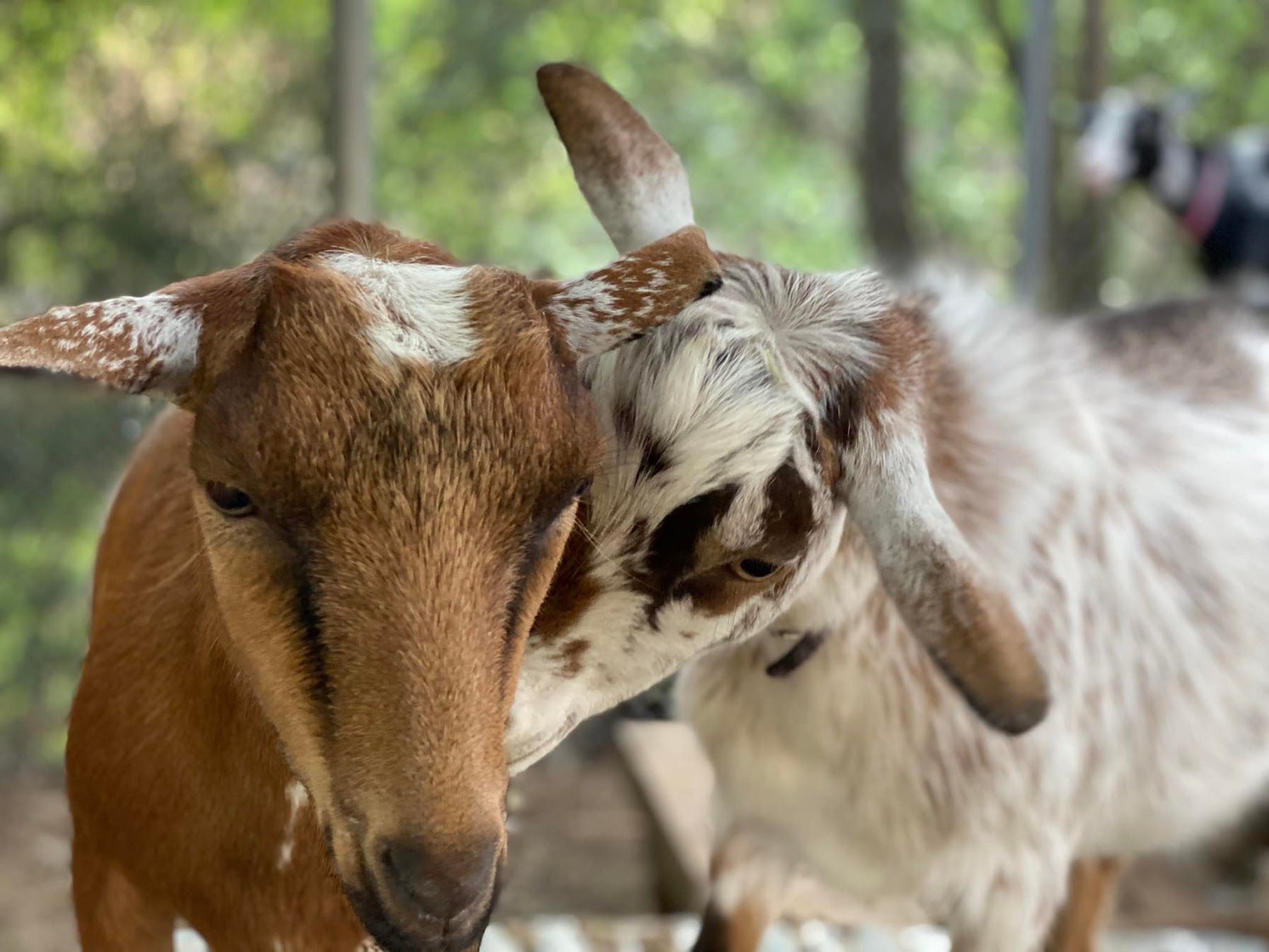
Montessori education gives children opportunities to experience the natural world concretely. They care for plants and animals, prepare food, work in gardens, classify living things, and gradually begin to understand the interconnectedness of the world around them. At the Fair, those ideas become very real and very big.
Don't just walk through the barns and point out the cows. Slow down. Notice the different breeds. Read the signs. Ask your child what differences they see. Find out why an animal is being raised or shown. Most importantly, talk to the people caring for them.
Some of our best experiences have come from simply showing up for a tour or demonstration. We have often been one of only a few families participating, which means my children have been able to ask questions, spend extra time with presenters, and learn directly from people who actually do the work.
We especially love demonstrations like cow milking and cooking, and the Fair has the Errol McKoy Greenhouse, where children can make connections to growing food and urban agriculture.
These experiences naturally invite questions: Where does our food come from? What does this animal need? How does milk get from a cow to our refrigerator? What role do farmers play in our lives? You don't have to have all the answers. Sometimes, I think it is better when you don't. Wonder with them.

Let the Child Lead
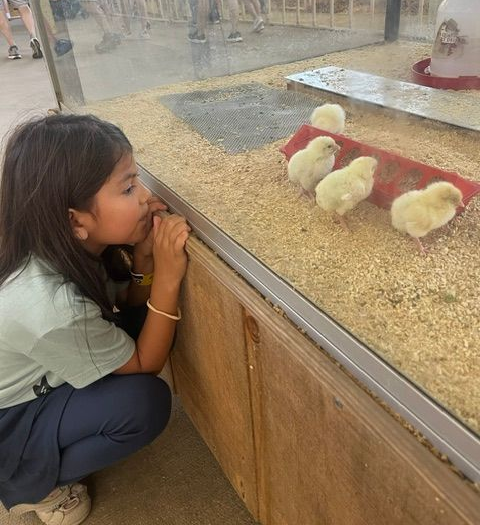
One of the biggest reasons we return again and again is because we don't try to see everything. There is tremendous freedom in knowing you can come back. If my children become fascinated by something, we can stay. We don't have to rush away because there are fifteen other things on our list.
This is where I see one of the simplest connections to Montessori: follow the child.
I give my children choices about what we see. We look at the schedule together. We decide which one or two shows we really want to catch. If something captures their attention along the way, our plans can change. Sometimes we just find a shady spot, spread out our blanket, eat lunch, and rest. Children don't need to be entertained every minute for an outing to be meaningful.
Practical Life Is Everywhere
The Fair is full of opportunities for Practical Life that we don't necessarily think of as "educational." My children can help navigate the map, make choices about where we go, use public transportation, keep track of their belongings, wait in line, interact with others, order for themselves, manage a small amount of money, and practice Grace and Courtesy in a very busy public environment.
The Creative Arts Building is another favorite because children can see the results of skills people actually use. There are arts and crafts, culinary creations, competition entries, and daily cooking demonstrations. For a Montessori child who has spent time preparing food, creating art, arranging flowers, sewing, gardening, or practicing other purposeful work, there is something special about seeing those same kinds of skills practiced by adults and celebrated by the larger community.
This is why we learn to do these things. People really do them.
There Is Actually a Curriculum
This is the part that surprises a lot of people. The State Fair actually has an educational curriculum. The Fair has partnered with Big Thought to create TEKS-aligned lessons for grades 4 through 12, and the range is impressive. Agriculture, animal classification, biology, environmental science, physics, chemistry, economics, geography, Texas history, math, food systems, and more can all be explored through the Fair.
I don't walk around the Fair making my children complete worksheets, and you certainly don't need to turn your visit into a school assignment. I think the curriculum may be even more useful for the adult. Look through it before you go. It helps you see the Fair differently. You begin to notice opportunities for conversation and exploration that are easy to walk right past when your only goal is getting to the next attraction.
Prepare yourself, prepare the opportunity, and then let the experience do much of the teaching.
You Don't Have to Spend a Fortune
This is probably the other question I get when people hear how often we go. Going several times would not work for our family if every visit included Fair food, games, souvenirs, and a full day of rides. So it doesn't.
We bring our own food and nonalcoholic drinks, which the State Fair allows within its guidelines, and usually bring a small cooler. We take public transportation or rideshare when it makes sense, spread out our blanket, and have a picnic. Because our children know we don't go primarily for the food, there isn't an expectation that every trip comes with a new snack or treat.
We absolutely enjoy Fair food, but we're intentional about it. We like Thrifty Thursdays, when participating vendors offer select foods at reduced prices. When the children want rides, we take advantage of Thrilling Tuesdays, when select Midway rides are discounted, and usually choose only a couple.
One of my favorite practical tips is to sign up for the State Fair's Big Tex Insider emails. They share event information, announcements, ticket discounts, and other special offers. A little planning makes a big difference. And because the children know we'll probably be back, there isn't the same pressure to do everything in one day.

Don't Forget the Rest of Fair Park
We also take advantage of being at Fair Park. We love visiting Texas Discovery Gardens and the Children's Aquarium while we're there. Sometimes an inexpensive treat, some water, our blanket, and a little time to play or rest are exactly what everyone needs before deciding what comes next.
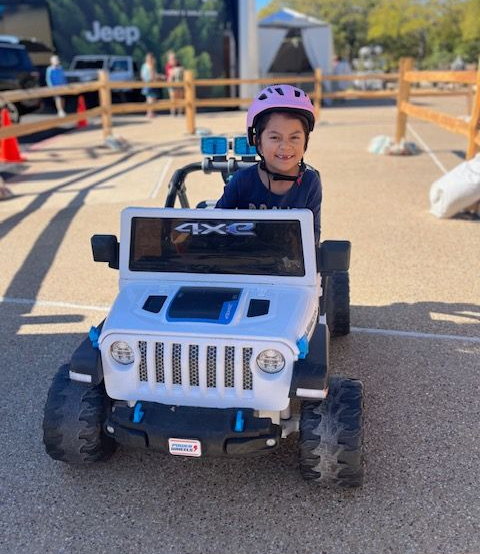
This year, I'm also excited about the new Little Lone Stars Land, an area created especially for the Fair's youngest visitors. It brings together animals, play, entertainment, food, and rides in one area. The Coop is specifically designed for toddlers and preschoolers, and there is also a petting zoo. Even the kiddie rides are discounted on Tuesdays. For families with very young children, having a place designed with their pace and needs in mind could make the Fair much more manageable.
And my other tip? Go on a weekday if you can.
When we homeschooled, weekday visits were one of our favorite ways to experience the Fair. Now, I recommend taking advantage of a weekday afternoon after school when possible. Because we don't try to see everything in one visit, even a few hours can be plenty of time to explore one area, catch a demonstration, have a picnic, or revisit a favorite. Remember, you don't need a full day to make the Fair an educational experience.
The World Is the Classroom
A Montessori classroom is a carefully prepared environment, but we aren't preparing children simply to function within that environment. We are preparing them for life.
At the State Fair, agriculture, biology, botany, physics, math, economics, art, history, culture, Practical Life, and Grace and Courtesy are happening all around them. Something a child first encountered on a classroom shelf, in a garden, through food preparation, or during a lesson suddenly becomes real. So my biggest recommendation isn't to create the perfect educational Fair itinerary.
Bring your lunch. Pack a blanket. Pick one or two things. Give your children choices. Slow down. Ask questions and talk to the people doing the work. Let your child linger when something captures their, or your, attention. And don't worry about seeing everything. If you love it, come back another day.
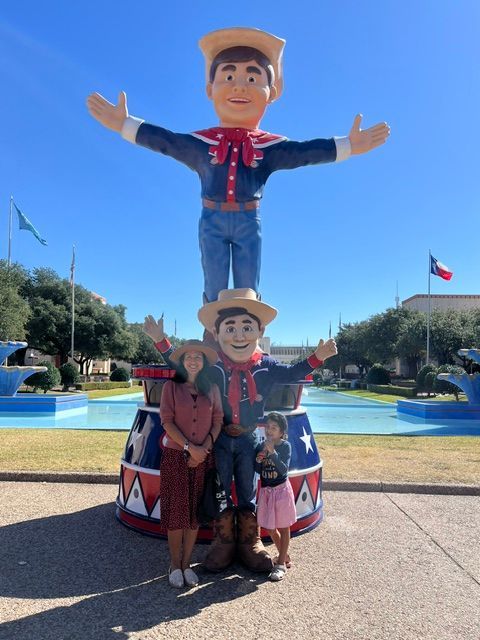
Sometimes the prepared environment has beautiful Montessori materials carefully arranged on a shelf. And sometimes, it has a 55-foot-tall cowboy.