The Role of Plant and Animal Care in Montessori’s Cosmic Education
By Lisa Jackson, Outdoor Practical Life Specialist
Monday, August 11, 2026
One of the most important aspects of Montessori's Cosmic Education is its emphasis on helping students of all ages understand that they are part of something much larger than themselves. Through the lessons of Cosmic Education, students learn their interconnectedness with all living things and begin to recognize their duty to care for the world around them. Plant and animal care aren’t simply busy work to do in the classroom, they’re meaningful opportunities to develop and practice empathy, responsibility, and respect for all forms of life.
Our Place in the Universe
Maria Montessori believed that every living thing has its own unique role, or “cosmic task”, that is a contributing part of the harmony of our universe. From the smallest fungal microbe enriching our soil to the largest tree producing precious oxygen for us to breathe, every organism small or large plays an essential role in sustaining life.
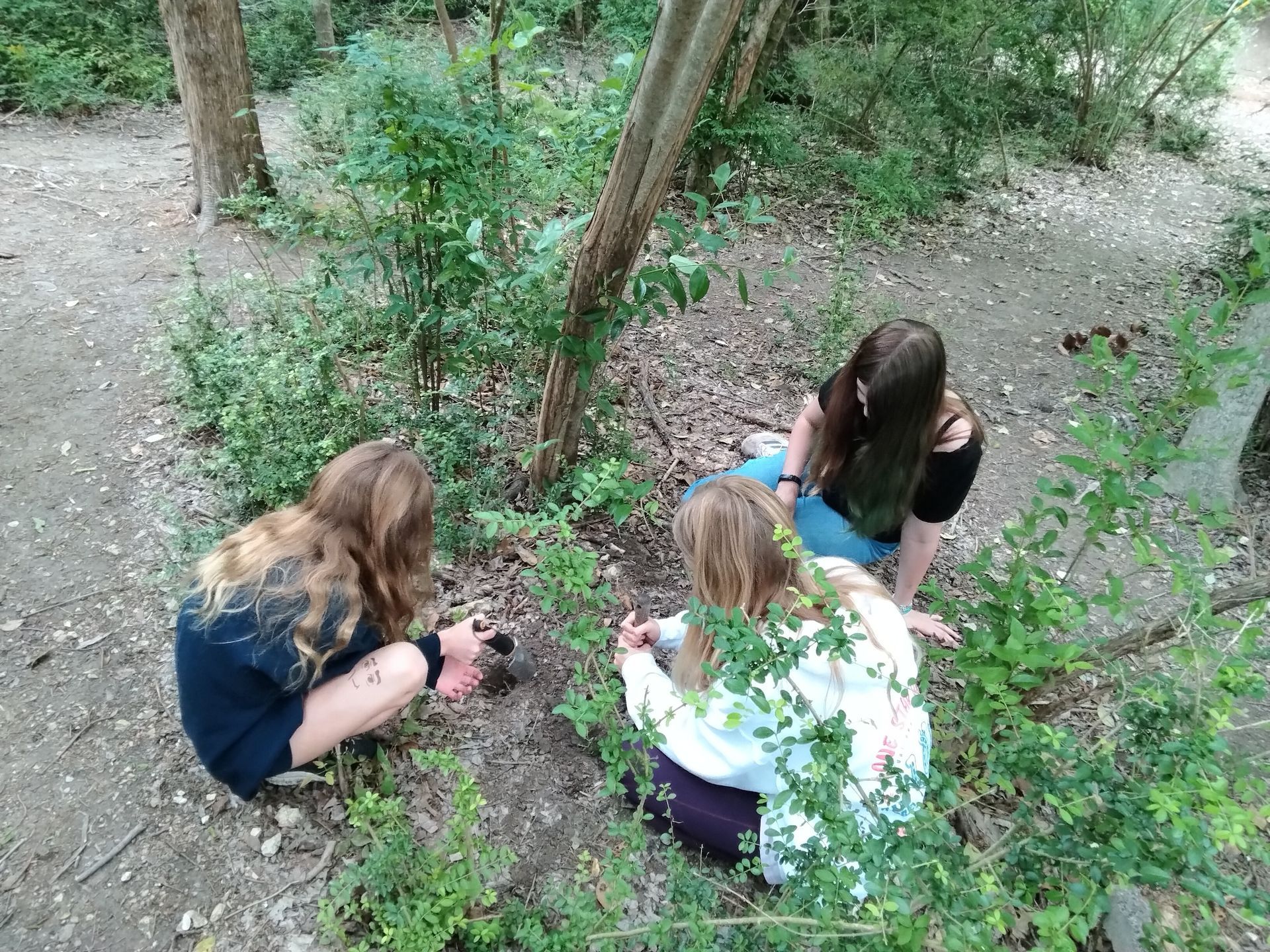
When students care for plants and animals, they get firsthand experience and working knowledge of this concept. It is then that they begin to truly understand that their actions matter and that even the smallest acts of kindness and care have a positive impact on other living things.
Responsibly Learning
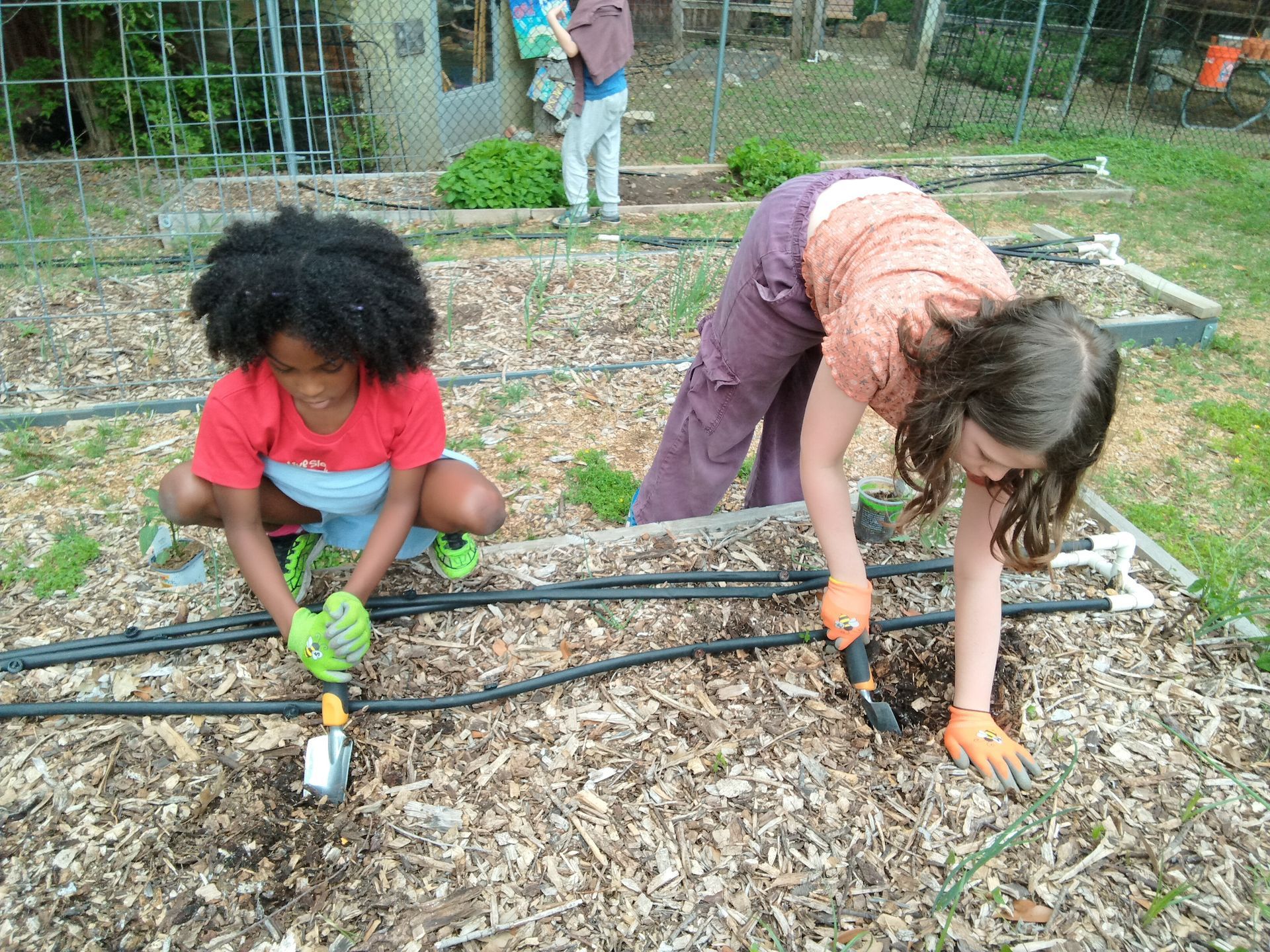
In Montessori environments, students are trusted with actual responsibilities. They’re not given plastic plants or animals to look after but real ones. Living things with consequences for their lack of care or apathy. Watering plants, maintaining soil, feeding animals, and cleaning out habitats are all purposeful tasks that build independence and foster confidence.
These responsibilities, when adjusted into daily routines, teach students to:
- Develop consistency and self discipline
- Observe firsthand the needs of other living things
- Understand the guiding principle of cause and effect
- Build confidence through meaningful and purposeful work
Students learn quite quickly that plants will wilt and animals will suffer without reliable, adequate care. They can see closely that their love and effort produce great results in something other than themselves. This experience cannot be learned in any way other than by doing the work.
The Lessons of Empathy and Respect
Caring for another living being encourages students to look beyond themselves. As they observe a plant growing and reaching toward sunlight or notice that a classroom pet is experiencing basic needs of food or rest, they begin to understand and recognize the needs and feelings of others and how to respond appropriately.
This growing awareness is greatly important in helping them to develop empathy that goes far beyond themselves or the classroom. They are often observed as becoming more thoughtful and mindful toward other classmates, family members, the greater plant and animal kingdom, and our environment as a whole.
Observation Sparks Scientific Thinking
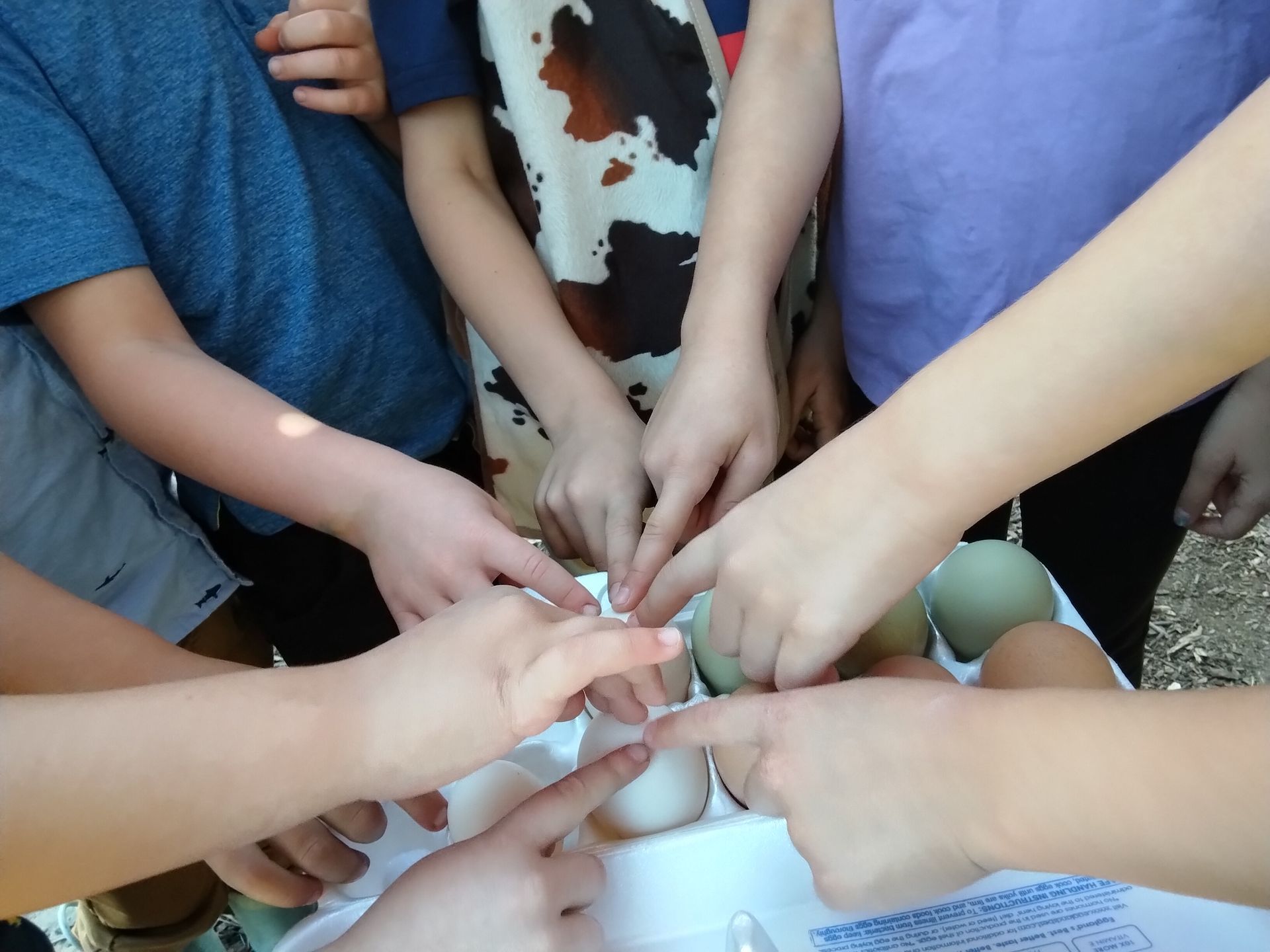
Plant and animal care naturally encourages our curiosity. We find that we ask more thoughtful questions about the world around us:
- Why do the leaves change colors?
- How do roots grow and why downward?
- What is an insect’s role in the garden, and what do they contribute to its balance?
- Why do different animals have different needs?
These questions naturally act as invitations for exploration and curiosity across biology, ecology, geography, and environmental science, just to name a few. Observation journals, nature walks, gardening projects, and life cycle studies all emerge naturally from the student’s genuine interest in our natural, living world.
Where It Begins
Cosmic Education guides students to see that caring for our Earth begins on the smallest scale, caring for individual living things. Students who intentionally and lovingly water plants begin to understand stewardship. Students who gently handle the most fragile of creatures learn respect and grace for even the smallest of animals and understand that it also holds an important place in the delicate balance of the greater world around us.
These experiences and lessons are the building blocks of the foundation for environmental responsibility. Rather than teaching conservation as an abstract concept, Montessori’s Cosmic Education encourages and supports students to practice it daily. The benefits are immediate and measurable, with lasting positive effects.
Lifetime Lessons
The habits developed through plant and animal care often extend far beyond the classroom. Students carry these lessons with them into their homes and daily life by promoting them to maintain a home garden, care for a pet independently, recycling and composting, conserving our precious natural resources, and simply appreciating the abundance of natural beauty around them.
Most importantly, students develop an enduring understanding that each and every action has real consequences and that all humans have the ability to positively affect the world around them on a small and large scale. In nurturing a single seedling or caring for one single pollywog, students begin to discover firsthand one of Maria Montessori’s greatest lessons:
We are all connected, and each of us has an important role to play in caring for our shared world.