Growing Environmental Consciousness Through Montessori
By Fernanda Arredondo, Toddler Guide
Wednesday, April 22, 2026
As we celebrate Earth Day, it is a meaningful time to reflect not only on the challenges facing our planet but also on how education can shape a more sustainable future. Montessori education, grounded in respect for both the child and the natural world, offers a strong foundation for nurturing environmental consciousness from the earliest years.
Where Environmental Awareness Takes Root
Montessori education views the child as part of an interconnected whole. Dr. Maria Montessori described this as a “cosmic plan,” in which every living and non-living thing has a purpose and value. In Montessori environments, respect for the Earth is not taught as a separate subject. It is woven into daily life.
Children learn to care for their surroundings, use materials thoughtfully, and move with intention. These everyday experiences shape how they see the world, not as something to consume, but as something to respect and protect.
Building Environmental Awareness Early
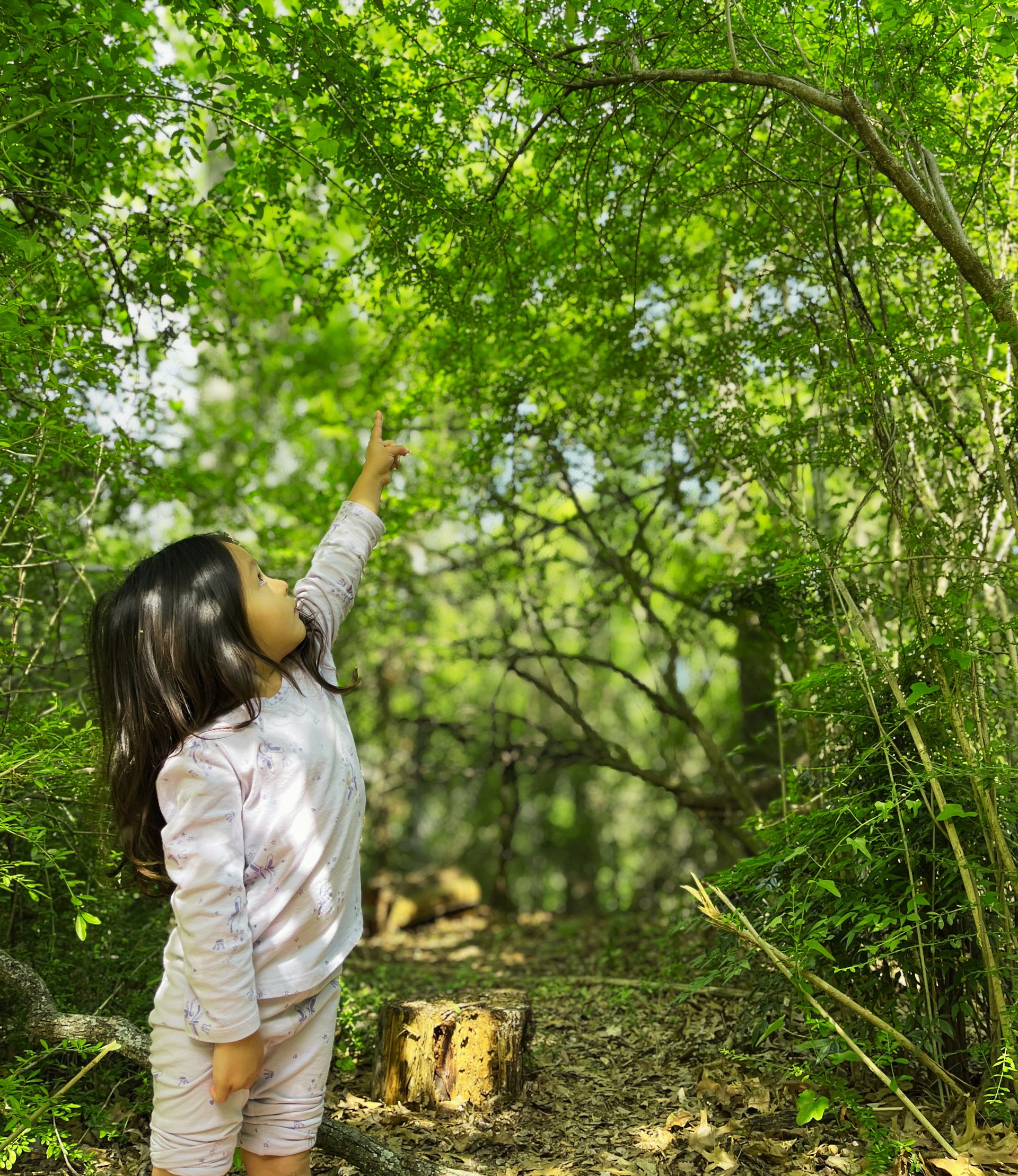
Environmental consciousness is not just about knowledge; it is a way of being. Montessori supports this by creating spaces with natural, lasting materials, encouraging independence, and allowing children time to observe and connect with their environment.
Children learn through consistent, simple experiences: caring for objects, respecting shared spaces, and observing nature. Over time, these lessons become part of who they are, forming habits rooted in awareness and appreciation.
Thoughtful Living at Home
Families play an important role in reinforcing these values. One meaningful way to support environmental awareness is by being intentional about consumption. In a culture that encourages constant buying, choosing to slow down sends a powerful message.
Buying second-hand, reusing items, and repairing instead of replacing help children understand that objects have lasting value. Simple habits like using both sides of paper, saving art materials, or reusing jars and containers teach that resources are worth caring for.
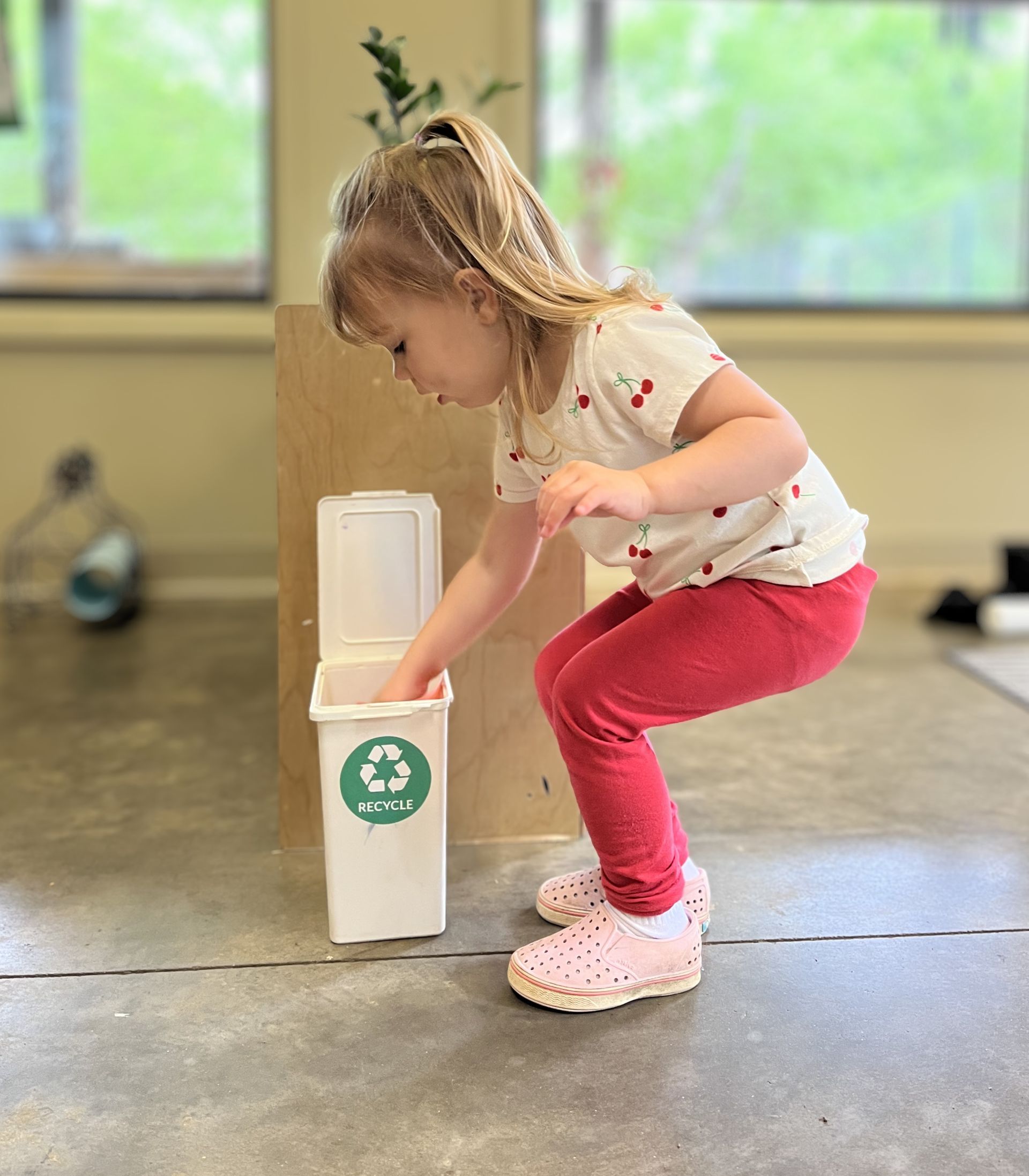
Recycling and composting can also become shared family routines. When children help sort materials or collect food scraps, they begin to understand how waste can be reduced and even returned to the Earth in beneficial ways.
Gardening, even on a small scale, deepens this connection. Whether growing herbs on a windowsill or tending a backyard garden, children learn patience, responsibility, and respect for natural processes.
Supporting Children at Every Stage
Environmental awareness can be nurtured in age-appropriate ways:
Birth to Age 3
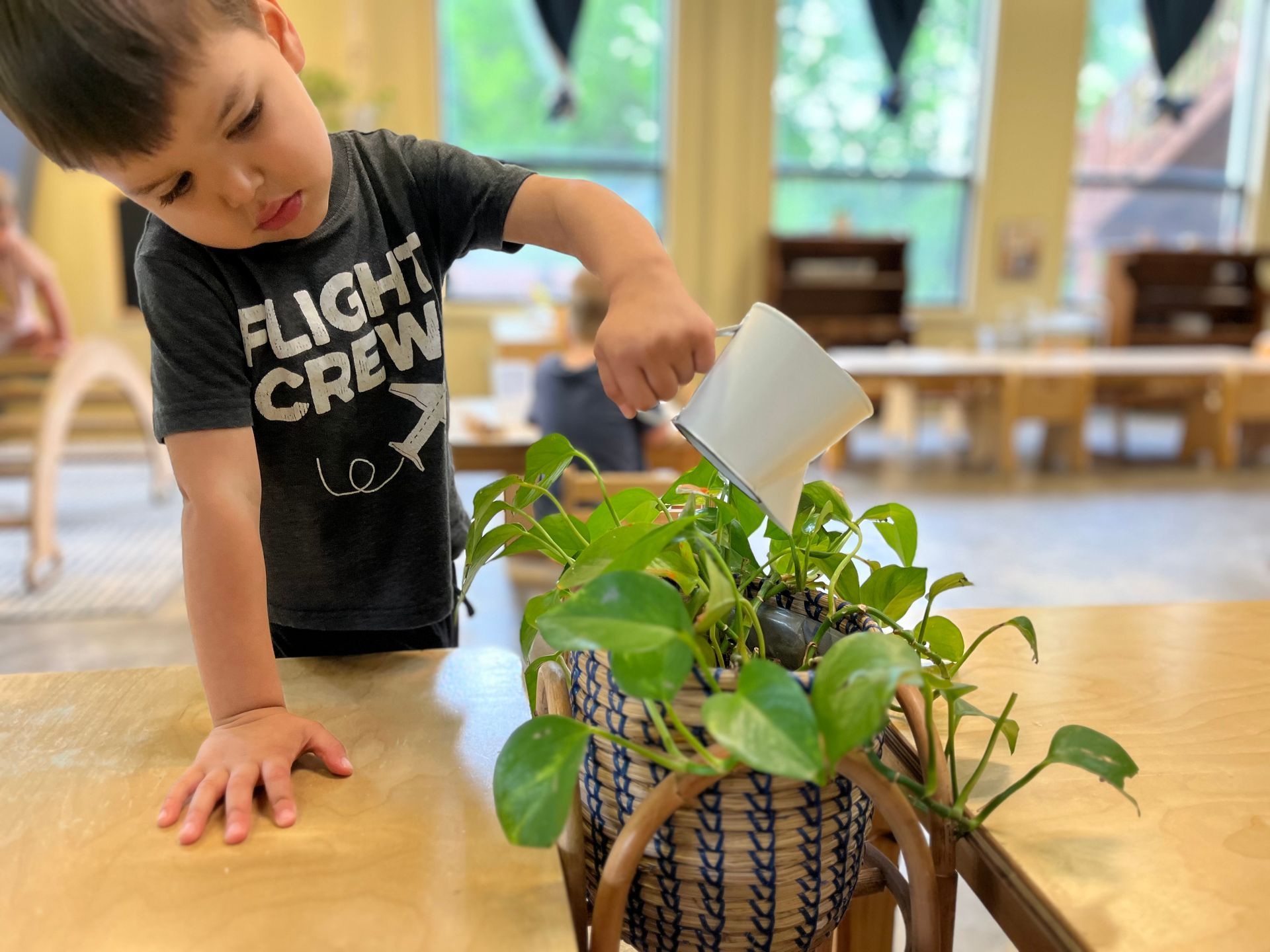
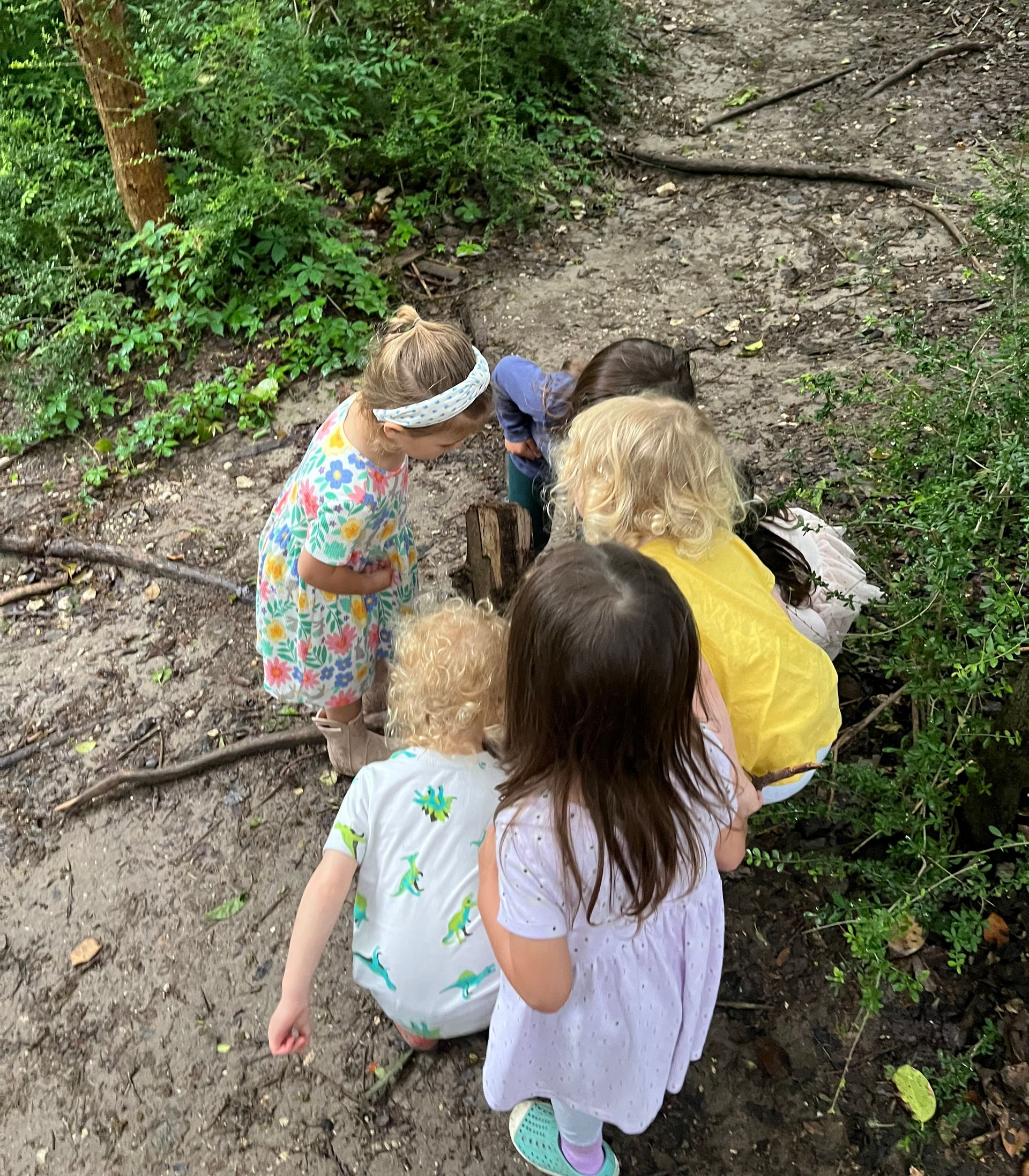
Infants and toddlers absorb everything around them. Spending time outdoors, offering simple natural objects, and involving them in small tasks like watering plants helps build early connections. Modeling gentleness, such as handling plants and animals with care, lays the foundation for respect.
Ages 3 to 6
Children begin to understand that their actions matter. They can help sort recycling, compost food scraps, and care for plants. Simple conversations about not wasting food or water help them connect daily actions to larger ideas.
Ages 6 to 9
At this stage, children are curious about how things work. They can explore where everyday items come from, participate in gardening, and take part in family decisions about reducing waste. Creative projects using recycled materials also encourage problem-solving and resourcefulness.
Ages 9 to 12
Older children are ready for a deeper understanding. They can discuss topics such as sustainability and climate change, take the initiative on projects such as cleanups, and make thoughtful choices as consumers. Encouraging leadership at home helps them see their ability to create change.
Preparing Children for the Future
Climate change is one of the greatest challenges our children will face. Montessori education teaches by fostering independence, empathy, and a sense of responsibility.
Children raised in this way understand that caring for the Earth is not a one-time action, but a daily practice. They grow into individuals who recognize that their choices matter and who approach the world with intention and awareness.
A Call to Action
This Earth Day, we are reminded that caring for the planet begins with small, consistent choices. Spending time outdoors, reducing waste, reusing materials, composting, or choosing second-hand items are simple yet meaningful actions.
Children learn not only from what we say, but from what we do. By making thoughtful choices in our daily lives, we help shape how they understand their role in the world.
Caring for the Earth begins at home, in the quiet, everyday moments we share together.