Raising Earth Stewards
By Maria Montes, Primary Guide
Friday, May 15, 2026
As Earth Day approaches, I find myself reflecting on the quiet, powerful ways our children are learning to understand the world—not only as it is, but as it could be. In the classroom each day, I am reminded of something Maria Montessori once said: “The child is both a hope and a promise for mankind.” When we think about the future of our planet, these words feel especially true.
We are raising children in a time of abundance and convenience—a culture where it is easy to consume and discard without a second thought. Because many of our children do not experience scarcity, it can be difficult for them to fully grasp the impact of waste or the importance of protecting what we have. And yet, when given the opportunity, children show us that they are deeply capable of understanding—and of caring.
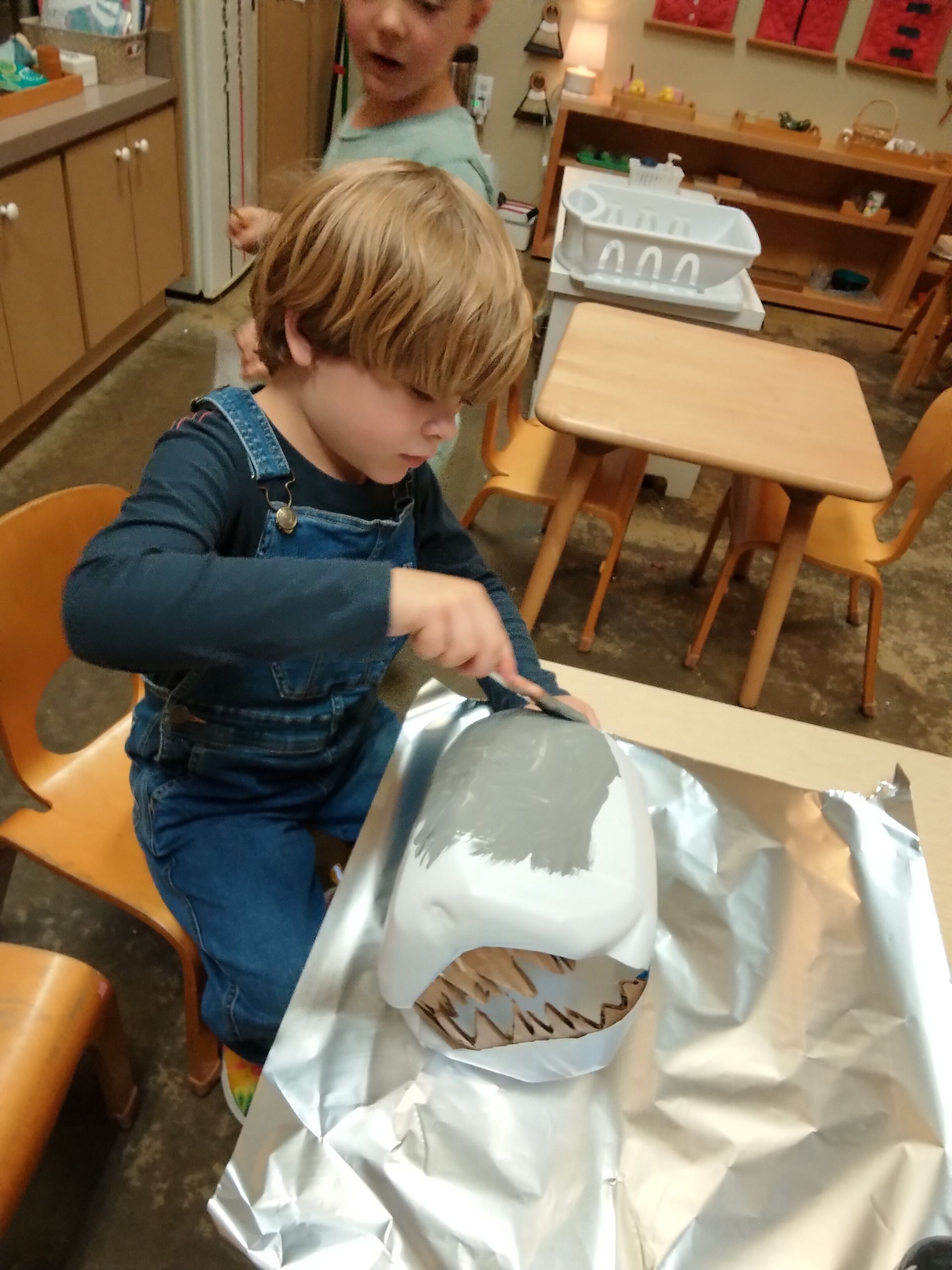
In our classroom, we speak often about the Earth—not in abstract or distant ways, but through small, meaningful, everyday actions. We practice using only what we need—taking a single paper towel to dry our hands, choosing cloth towels instead of disposable materials to clean our tables, and being mindful about avoiding unnecessary plastic. We also keep and reuse scraps of paper for other purposes, such as making notes, making collages or creating the countries for our maps. These may seem like small gestures, but for a child, they are powerful beginnings. They are seeds of awareness.
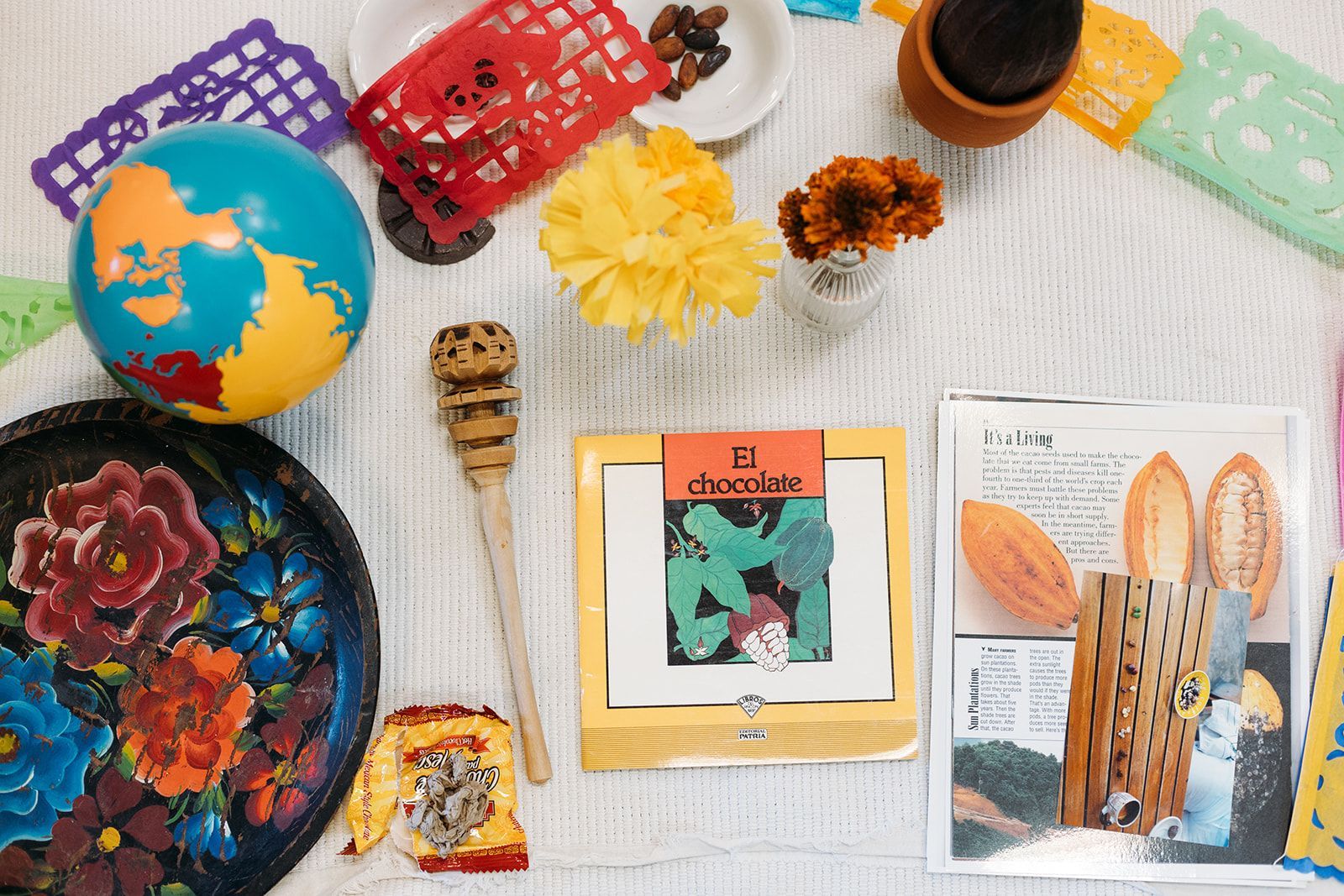
Sometimes, to help the children truly see, I bring out the Continent Globe of our world. Together, we look at it with wonder. Then, slowly, I begin to place pieces of paper and “trash” on top of it. Little by little, the Earth disappears beneath the weight of it all. I explain, gently, that when there is too much waste, the planet cannot breathe—that it becomes sick. In those moments, something shifts. Their faces grow serious. Their eyes widen with understanding. And then, almost immediately, they begin to speak—offering ideas, solutions, and promises, all coming from a place of genuine care and emotion.
Research in Environmental Education continues to affirm what we witness: children learn best through experience, through connection, and through the example we set. When they feel emotionally connected to the Earth, they are far more likely to protect it. When they see us modeling conscious choices, those behaviors become part of who they are.
This is why your role at home is so important. These conversations and practices cannot live only within the classroom—they grow stronger when they are shared as a family. Simple habits such as bringing reusable bags to the grocery store, reducing plastic use, recycling together, or finding creative ways to reuse and repurpose items help children understand that their actions matter. A glass jar can become a container for treasures, an old shirt can become a cleaning cloth, and a cardboard box can become something entirely new through imagination. In these moments, children begin to see the world not as disposable, but as full of possibility.
At home, we can also encourage children to take part in making things rather than always buying them. Creating handmade gifts, drawings, postcards, and simple crafts nurtures creativity while teaching value beyond consumption. Choosing second-hand options—such as clothing, books, toys, and learning materials from thrift stores, garage sales, or estate sales—becomes another meaningful practice. These choices help children understand that money is not only for spending, but also something to use thoughtfully, including for donating and supporting others. In this way, children grow in gratitude, generosity, and awareness.
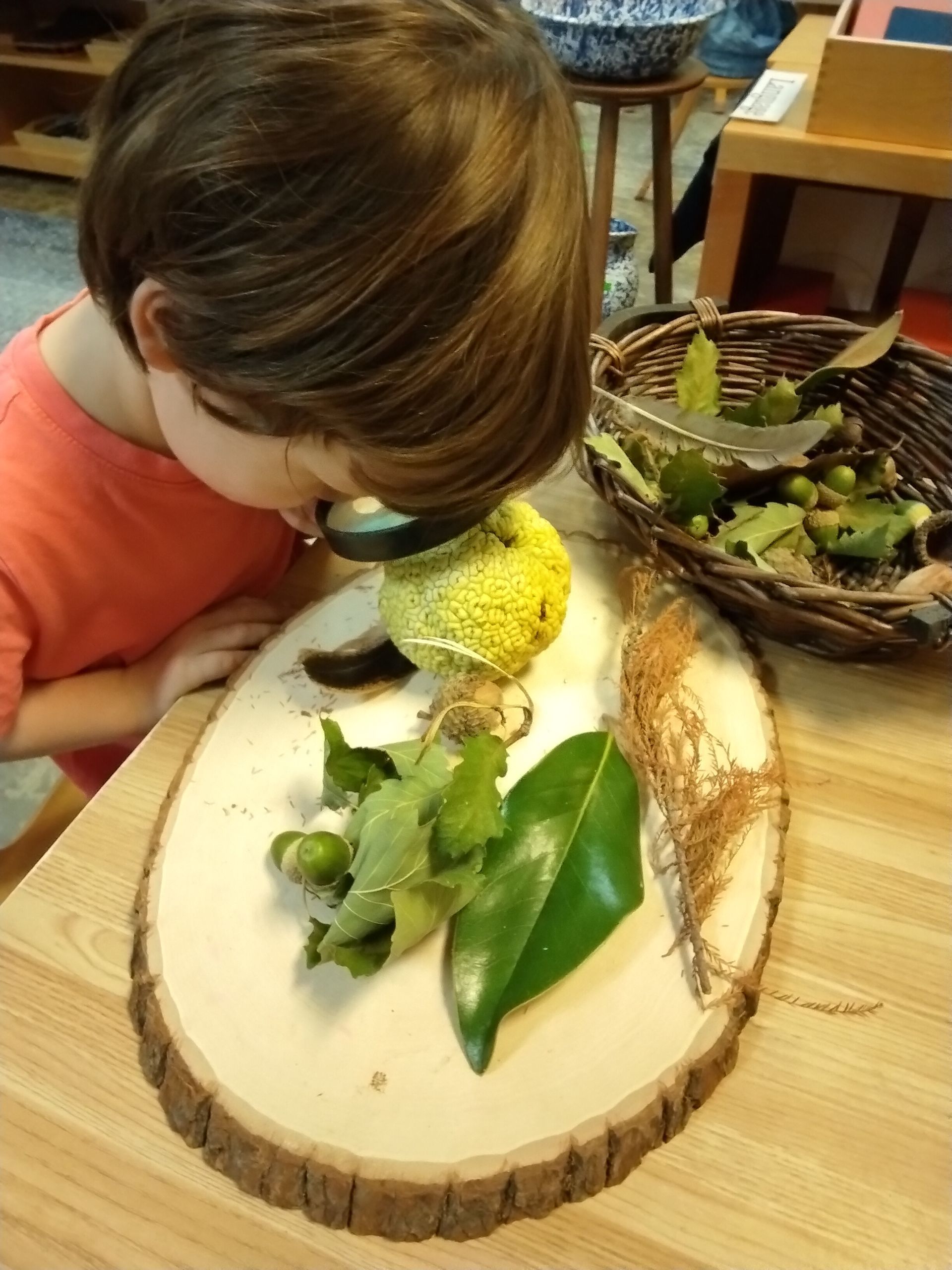
Beyond the home, we can continue nurturing this awareness by engaging with our community and the natural world. Family walks, park clean-ups, and time spent near lakes or green spaces help children build a relationship with the environment. They begin to feel that they belong to it—and that it belongs, in part, to their care.
It is also meaningful to help children develop a broader understanding of the world. Nowadays, when we think about traveling with our children, our minds often go to places of luxury or make-believe destinations such as Walt Disney World. While these experiences can certainly be joyful, they are not the only ones that shape a child’s perspective. Sometimes, the most meaningful lessons come from visiting places where life looks very different—where children can witness simplicity, and even poverty, with sensitivity and guidance. These experiences can awaken a deep sense of empathy and gratitude. When children are given the opportunity to see and understand how others live, they begin to reflect more deeply and often grow with a desire to contribute, to help, and to make a difference in the world.
In all of this, we are not asking children to carry the weight of the world on their shoulders. Rather, we are guiding them to love it—because when a child loves something, they will want to protect it.
And so, this Earth Day, I invite you to continue these conversations at home. Include your children in small, intentional choices. Listen to their ideas—because they often hold the most sincere and hopeful ones. Together, as a community, we can nurture not only knowledgeable children, but compassionate, thoughtful stewards of our planet.