Building an Emotional Toolbox
Addressing Myths and Supporting Healthy Relationships with Emotions
By Rebekah Melton, Middle School Guide
Wednesday, May 6, 2026
May is Mental Health Awareness Month. As caregivers, we are encouraged to support our mental wellbeing and that of our children and adolescents in the same way we approach our physical health and wellbeing. One of the voices I turn to regularly as a mom given over to the adventure of raising four humans is clinical psychologist Dr. Lisa D’Amour. I find her work and insights apply to my interactions with all of my kids (ages 4, 7, 14, and 16), and for that I’m grateful; life feels incredibly full these days, so I value practical, actionable steps!
Of the many things I’ve learned from Dr. D’Amour, recently I’ve felt particularly grateful for the definition she presents of mental health: “having the right feelings at the right time and being able to manage those feelings effectively” (D’Amour, 2023, xxiv). Over the past few decades, there has been a noticeable shift in how mainstream American society views emotions that are perceived and labeled as “negative” or distressing, and there is an overall discomfort with such emotions. D’Amour identifies three current myths about adolescent emotions, which have been shaped by many factors. These myths are informative for and can be applied across all ages: 1. Emotions are the enemy of reason; 2. Strong emotions are harmful; 3. Adolescents [humans] are emotionally fragile (D’Amour, 2023, 5; 15; 24).
As you might have suspected, the opposite of these myths is closer to the truth: emotions and reason are connected parts of the overall human experience and can, in fact, help inform the decisions we make, among many other factors. Strong emotions actually help humans grow and mature, and humans are remarkably resilient. And adolescents [humans] who feel a sense of safety and belonging with trusted friends or family often use healthy tools like crying, or verbally processing strong emotions at home and, like all humans, use a variety of strategies for venting and processing strong emotions.
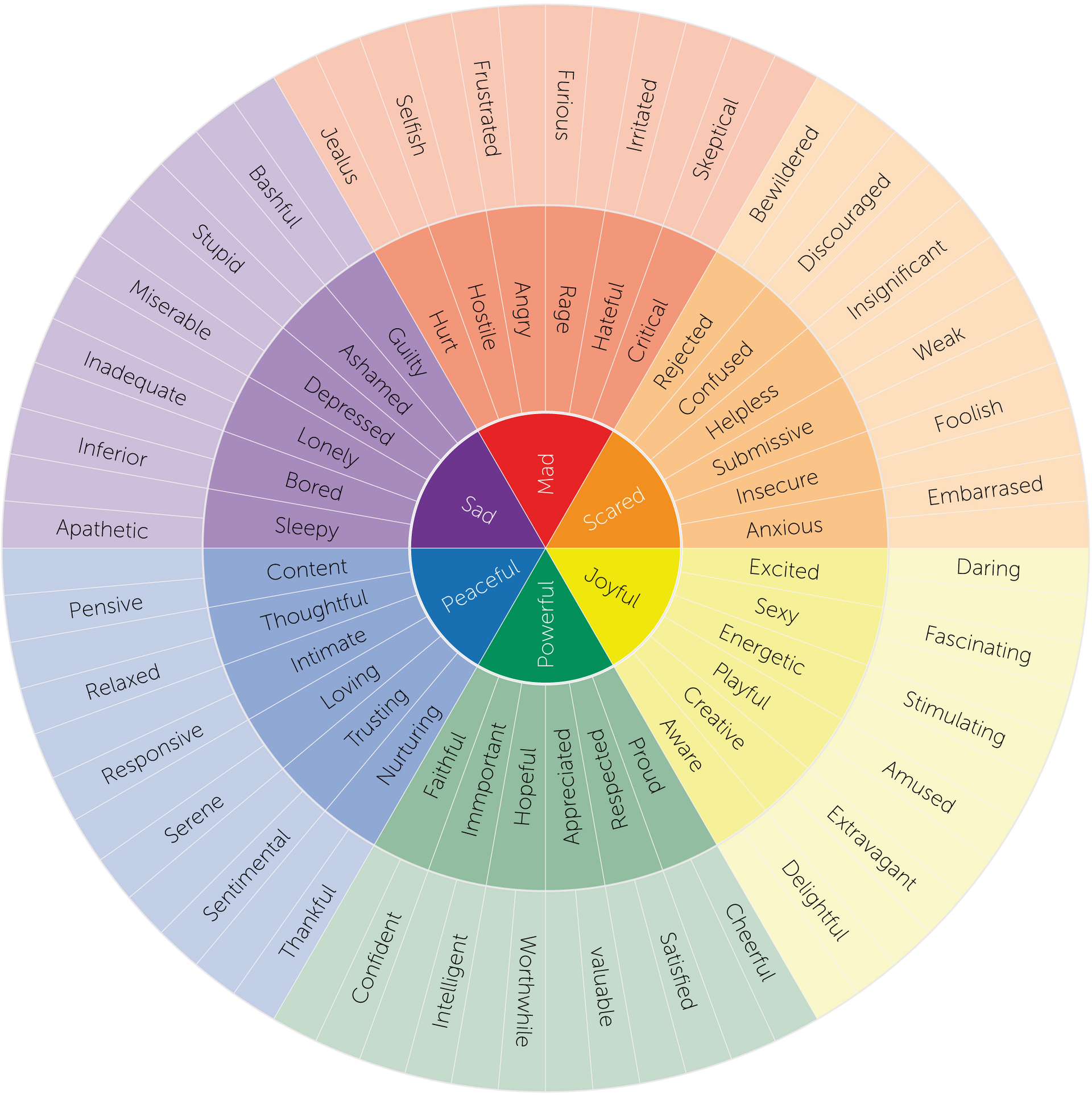
D’Amour’s working definition of mental health and understanding of the place of emotions in the lives of our children, adolescents (and ourselves as adults), is helpful to me in answering the question of how I might know if something is not ok. Does whatever feeling my child or adolescent is expressing make sense in light of what is going on around them or what they may be processing? Are they relying on a healthy tool or habit for processing their emotions? Are they building a “toolbox” so they have a variety of healthy habits for processing their emotions? As D’Amour puts it, “you probably don’t need to be worried if your [child or] teenager is sad [or anxious, or substitute another “negative” emotion] about something for a little while; you should be concerned if your [child or] teen is sad [or anxious, or substitute another “negative” emotion] about everything for days at a time” (Damour, 2023, 31).
What can caregivers do to encourage healthy habits and relationships with mental health and wellbeing? There are no silver bullets, and, the “basics” really do matter and add up over time: getting adequate sleep, eating a variety of colorful, fresh foods, engaging in regular, meaningful connection with other people, moving your body with consistency, developing regular practices to let go of unhealthy amounts of stress, and engaging in purposeful work and interests. In addition to this, and with the myths about emotions in mind, we can practice viewing our own feelings as helpful pieces of information, showing our children and adolescents how they can learn to “trust their gut;” embrace the fact that “emotional discomfort promotes growth,” rather than seeking to protect ourselves or our children and adolescents from their feelings; and recognize that “emotional does not mean fragile,” which honors our children's and adolescent’s ability to find healthy ways to process their feelings (D’Amour, 2023, 8, 17, 27).
D’Amour, Lisa. (2023).
The Emotional Lives of Teenagers: Raising Connected, Capable, and Compassionate Adolescents. Ballantine Books.