Opening Children’s Horizons: The Montessori Cultural Area in Action
Bringing the Cultural Curriculum to Life in Primary
By Maria Montes, Primary 1 Lead Teacher
Wednesday, February 11, 2026
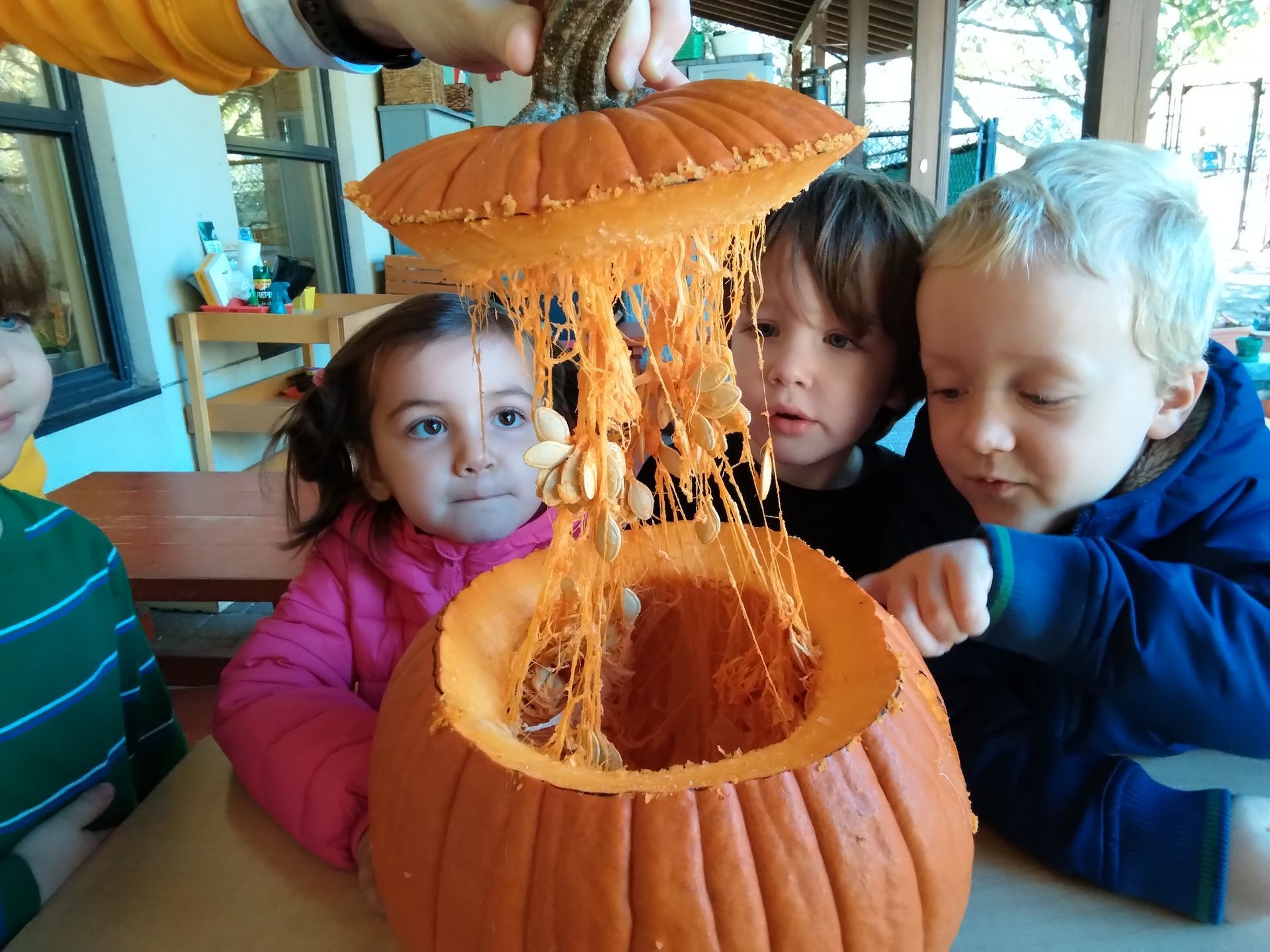
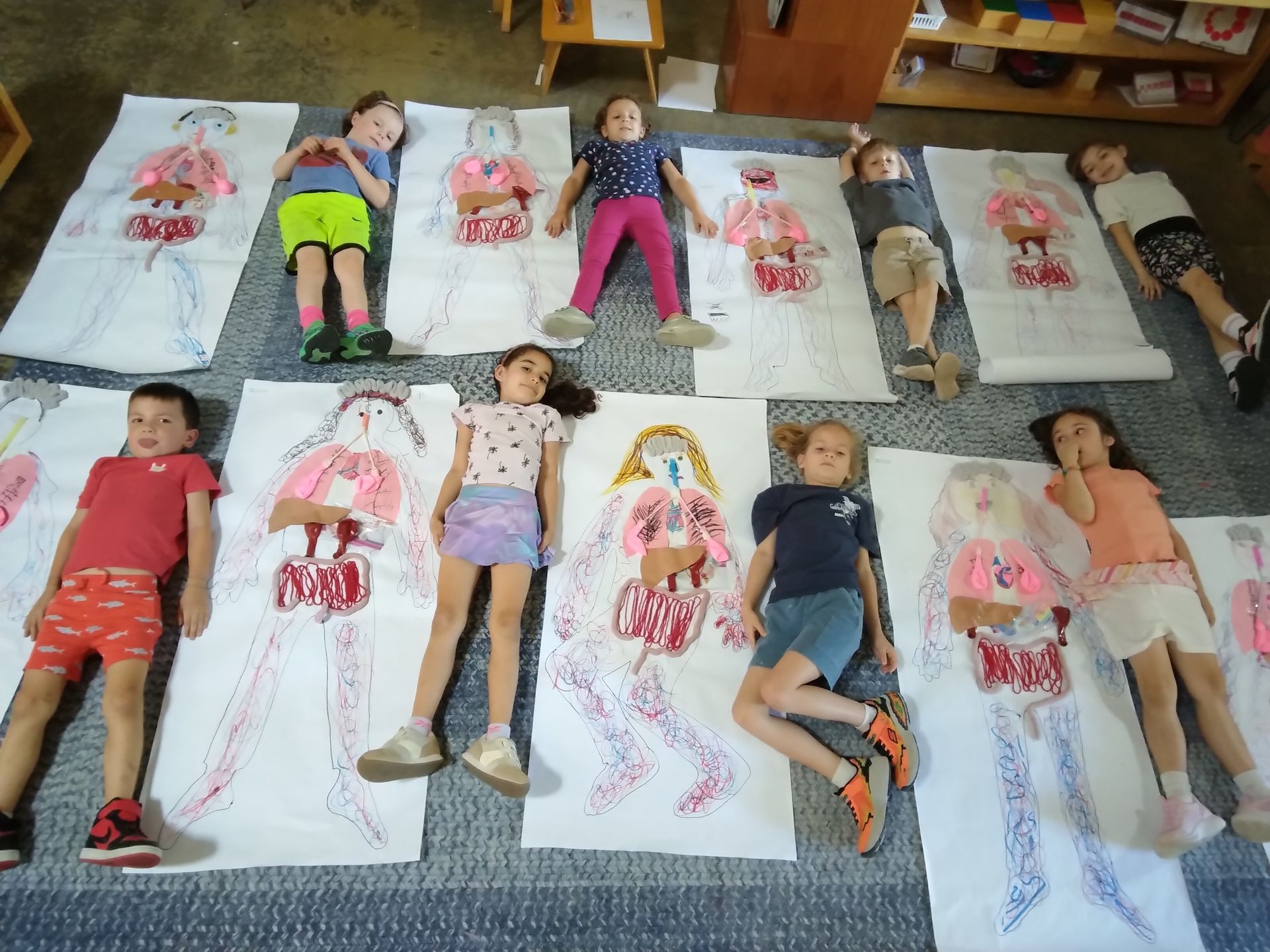
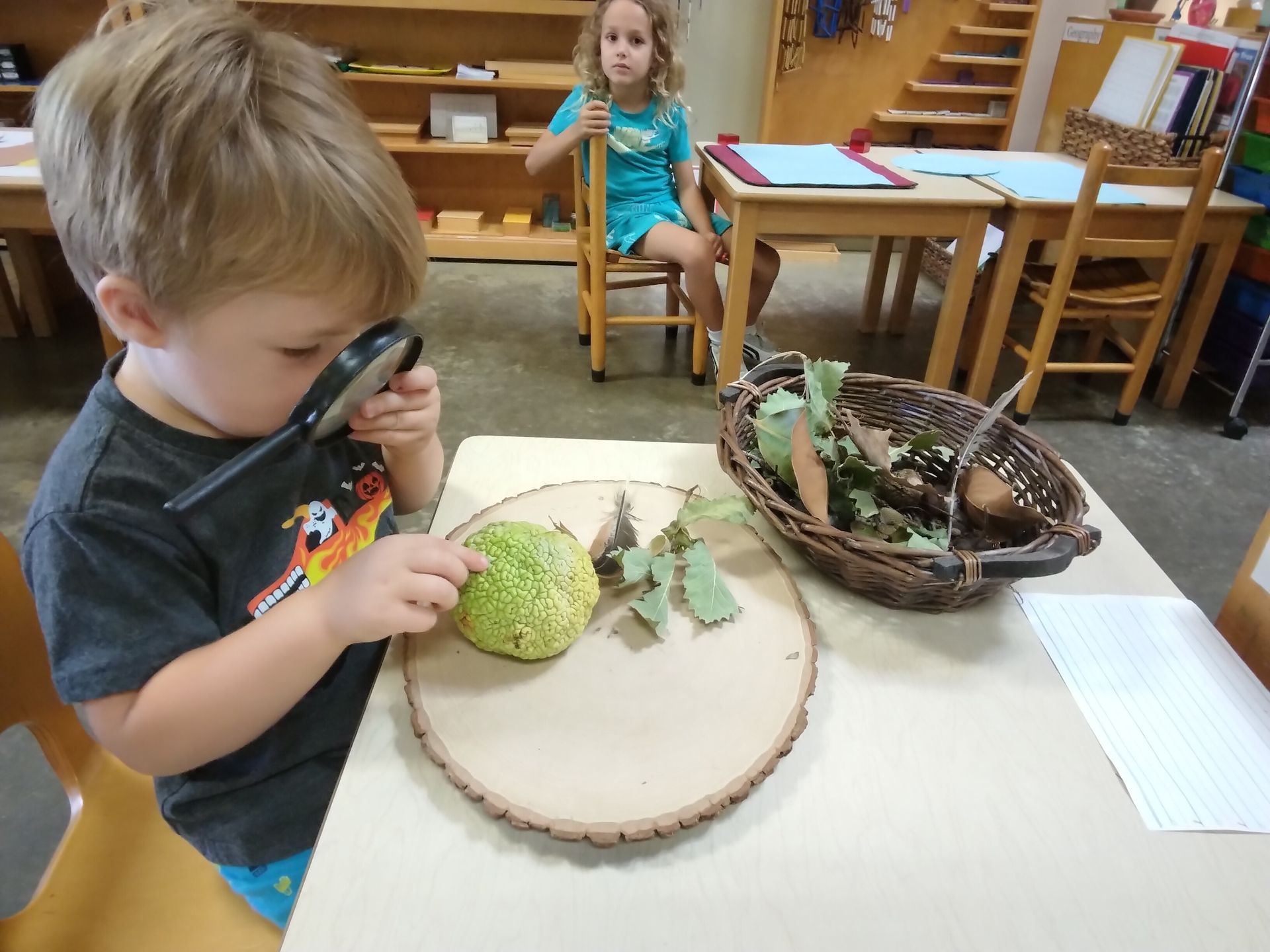
In my Montessori classroom, the Cultural area is where children begin to explore the world beyond themselves—its people, places, histories, and natural wonders. Through concrete materials, stories, and real cultural facts—from traditional clothing and celebrations to foods, art, and geography—children engage in meaningful exploration. I consistently observe an immediate spark of interest: students notice similarities and differences, make connections to their own lives, and eagerly share discoveries with their peers. Their curiosity deepens, and learning becomes a process of active construction rather than passive reception.
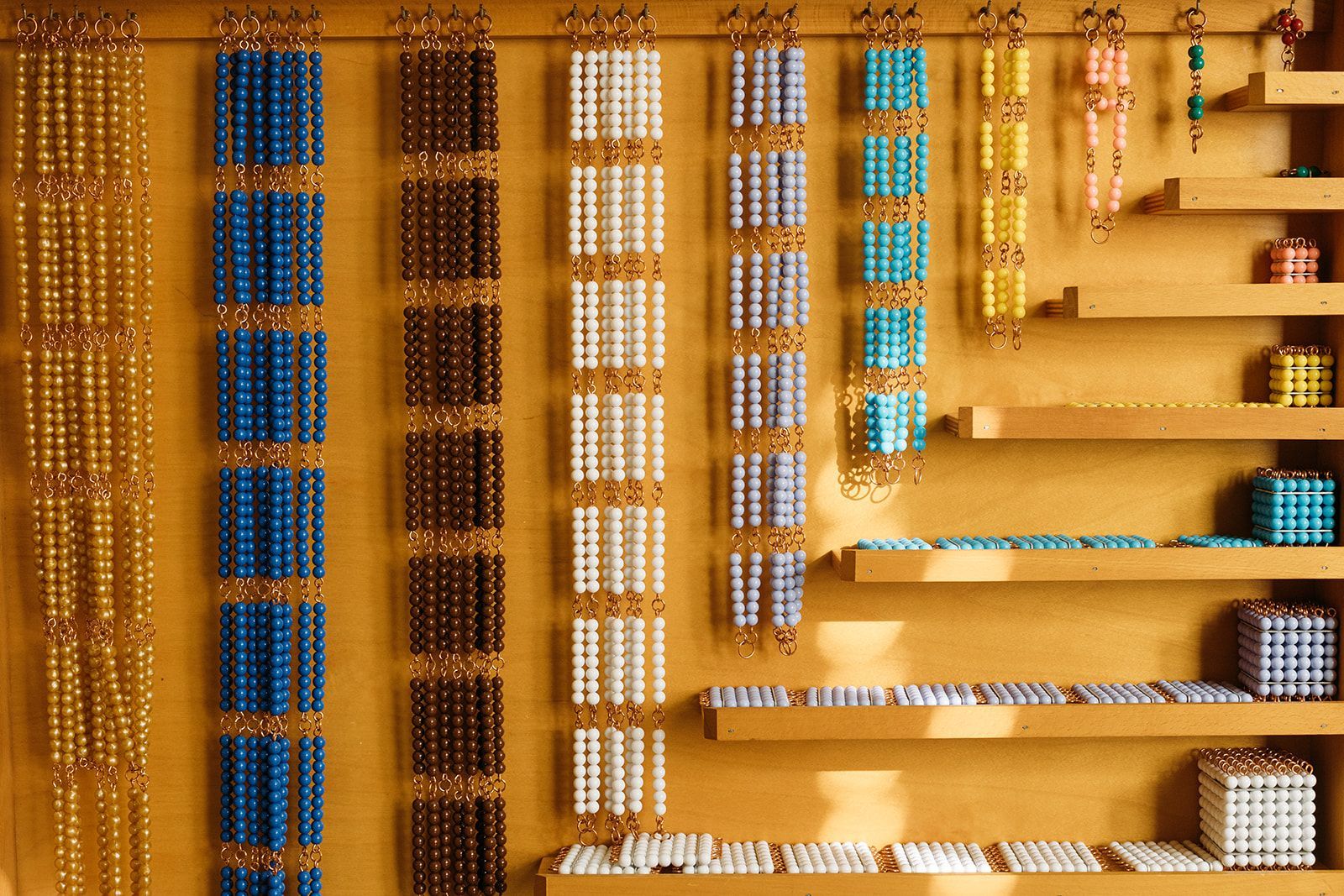
Maria Montessori described the child as “the hope and promise of mankind,” reminding us that education is fundamentally an aid to life. She emphasized that “the teacher’s task is not to talk, but to prepare and arrange a series of motives for cultural activity in a special environment made for the child.” In the Cultural area, this philosophy comes to life as children interact with carefully prepared materials that invite exploration, repetition, and independent discovery. Knowledge is not memorized; it is internalized through purposeful work that supports the child’s natural drive to understand the world.
Research supports what we observe daily in Montessori classrooms. When children engage with authentic cultural experiences, their curiosity, empathy, and critical thinking skills are strengthened. They learn to recognize multiple perspectives, appreciate diversity, and develop social and emotional awareness that extends beyond the classroom environment. By exploring geography, history, and cultural traditions through hands-on materials and rich narratives, children cultivate not only intellectual understanding but also respect for the interconnectedness of humanity (msofe.com).
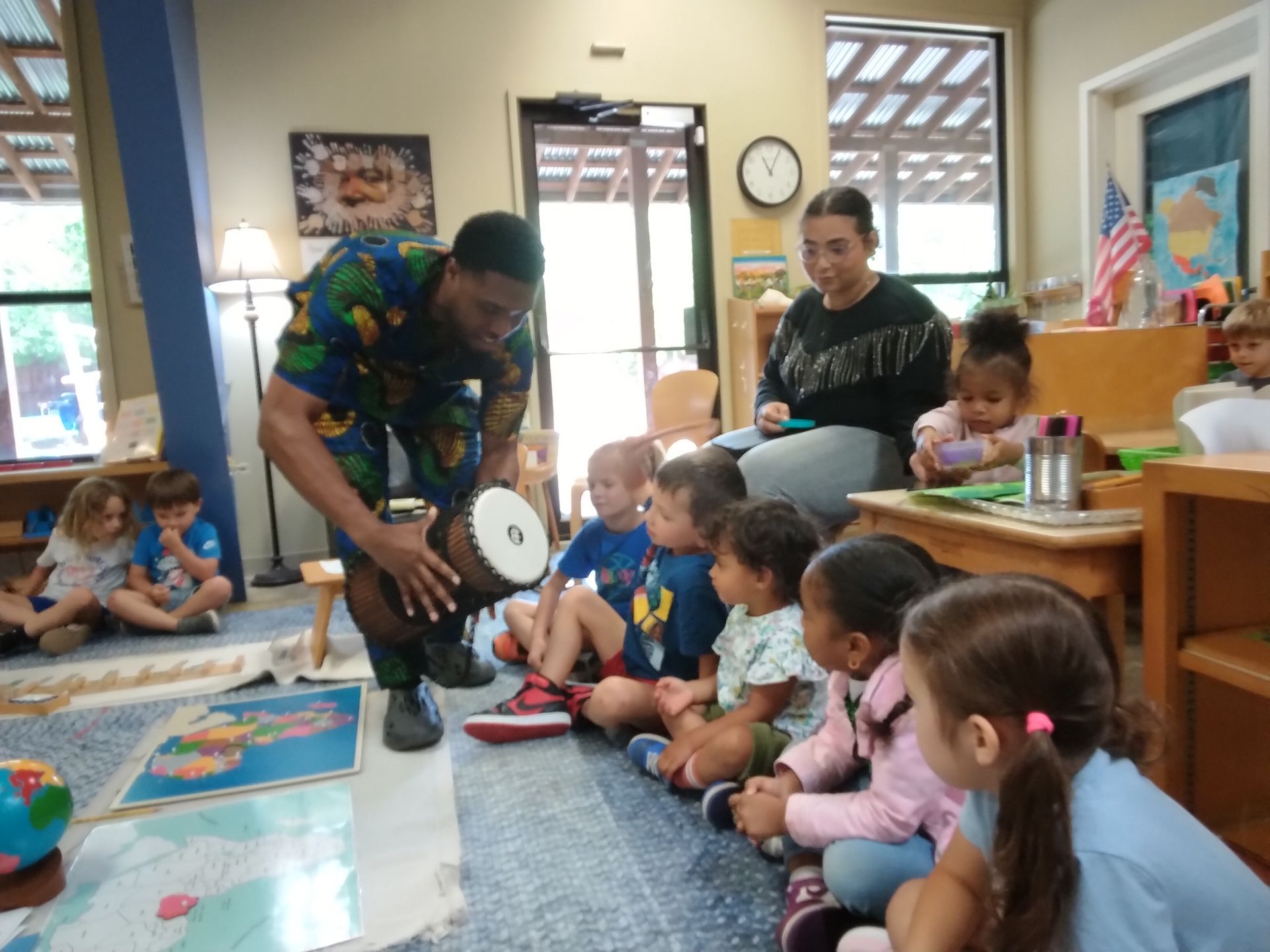
For my students, cultural lessons do more than convey information. They awaken inquietude—a sense of inner curiosity and fascination that motivates further exploration. Each lesson becomes a window into other lives, environments, and traditions, encouraging children to ask questions, reflect, and share their insights with others. By connecting new knowledge to their own experiences, children construct meaning, seeing the world as a rich tapestry of stories, ideas, and people.
From my own life experiences, I have learned that when people have the opportunity to truly engage with other cultures—by living in different countries, interacting with people from diverse backgrounds, and experiencing ways of life different from their own—they often develop a more open mind, a deeper understanding of others, and greater respect for cultural differences. This personal understanding deeply influences my work in the Montessori classroom. When children explore new places on Earth through maps, cultural materials, stories, and conversations, they begin to see culture as something lived and meaningful, not distant or abstract. This kind of exploration supports empathy, confidence, and a sense of belonging, while also strengthening a child’s awareness and appreciation of their own cultural identity. Rather than diminishing their roots, cultural experiences enrich them, expanding horizons and nurturing a peaceful, global perspective.
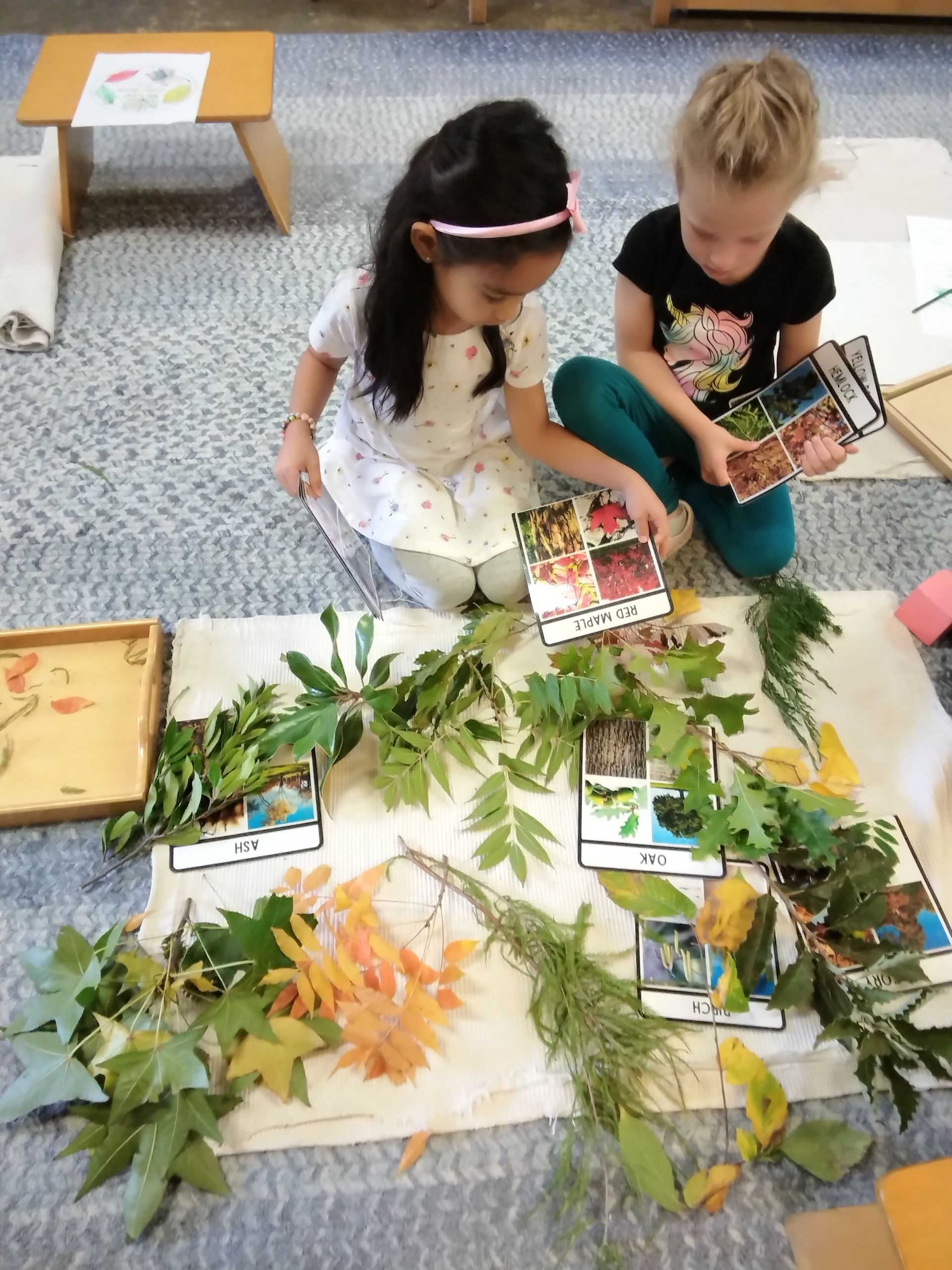
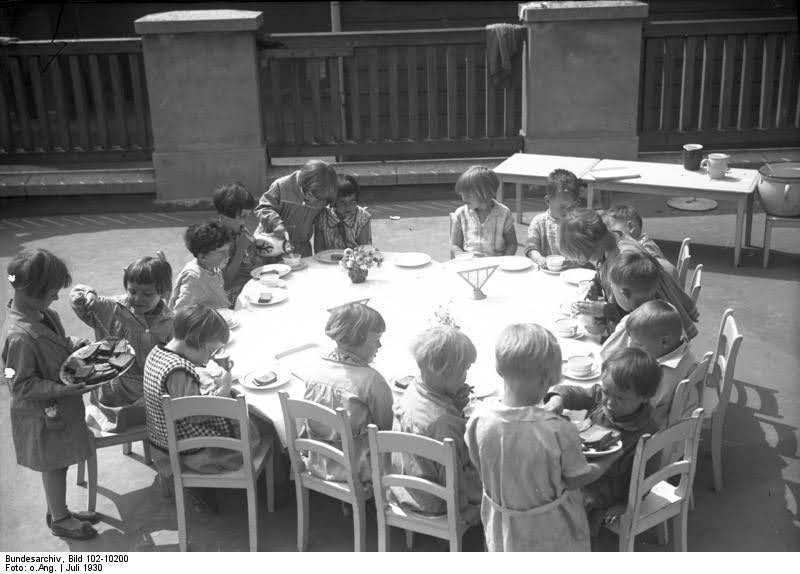
Each year, we intentionally acknowledge and celebrate the cultures represented within our Primary 1 classroom. Throughout the year, these cultures are empowered through our genuine interest and exploration, including inviting parents to share aspects of their family’s culture directly with the children. These presentations offer authentic, lived experiences that help children see culture as something real and relational. This practice honors each child’s identity, fosters grace and courtesy, and nurtures a classroom community rooted in curiosity, appreciation, and mutual respect.
Incorporating cultural education has shown me that learning in the Montessori classroom is deeply personal, social, and emotional. Children do not simply absorb information—they develop curiosity, joy, and wonder. Each time a child recognizes a similarity between their own life and another culture, or excitedly shares a new discovery with a peer, I witness the foundation of lifelong learning and peace education being laid. This is the true power of the Cultural area: opening hearts and minds, expanding horizons, and guiding children toward becoming thoughtful, compassionate citizens of the world.