Montessori for Life
A Way of Living at Every Age
By Whitney Kalka, Primary Assistant and After School Care Guide
Monday, October 19, 2026
As I approach 16 years of marriage to my husband, whom I first met at White Rock Montessori in 1988, I can't help but reflect on how we've both changed and grown together as well as individually. We have a 10-year-old daughter who has been a Montessori kid since she was 17-months-old. We both have aging parents which has been quite a learning curve navigating the new dynamics of those relationships. From 16 months to 960 months (80 years) old, Montessori principals have proven time and again that it is a life long practice and pedagogy.
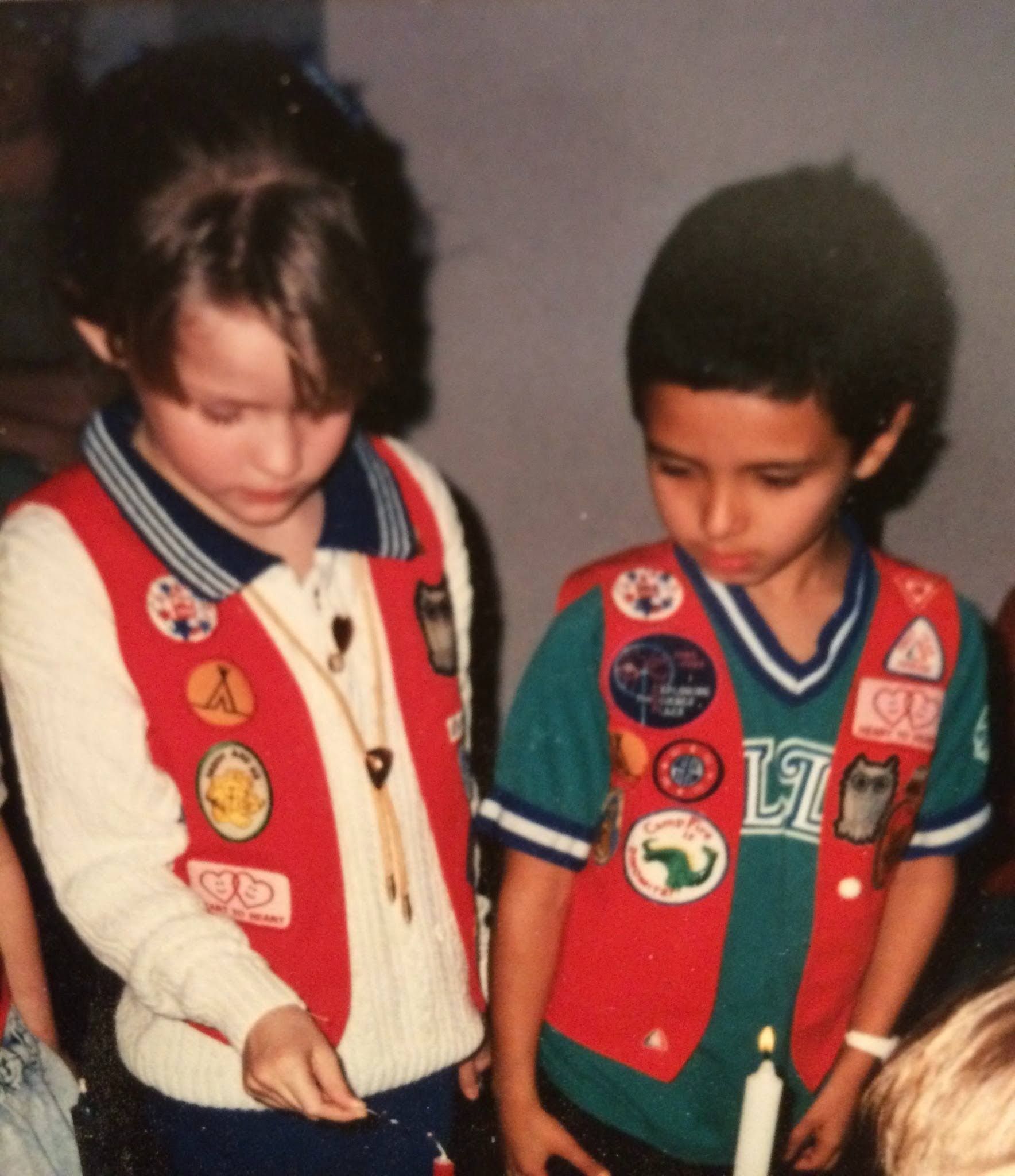
Whitney and her husband, Jason at WRM.
When most people hear the word Montessori, they think of young children using wooden materials or doing practical life activities in beautiful classroom environments. Montessori, however, is much bigger - it is about how we see people. It is about recognizing individual abilities, interests, preferences, and the desire to be respected. The desire to feel capable, important, and a sense of belonging are persistent throughout life.
Maria Montessori's principles can guide us from childhood, through adolescence and adulthood, then into our senior years. At the core fostering the practice of slowing down, encouraging independence, respecting individual abilities, & creating environments that inspire contribution and a sense of purpose.
It begins with independence. One of the most central Montessori ideas is: “Help me to do it myself.” We see this so clearly in young children, but isn’t that something we all want? We want to be a decisive and useful contributor both at home and in our community with balance and intention. We want to feel that there is meaning to life.
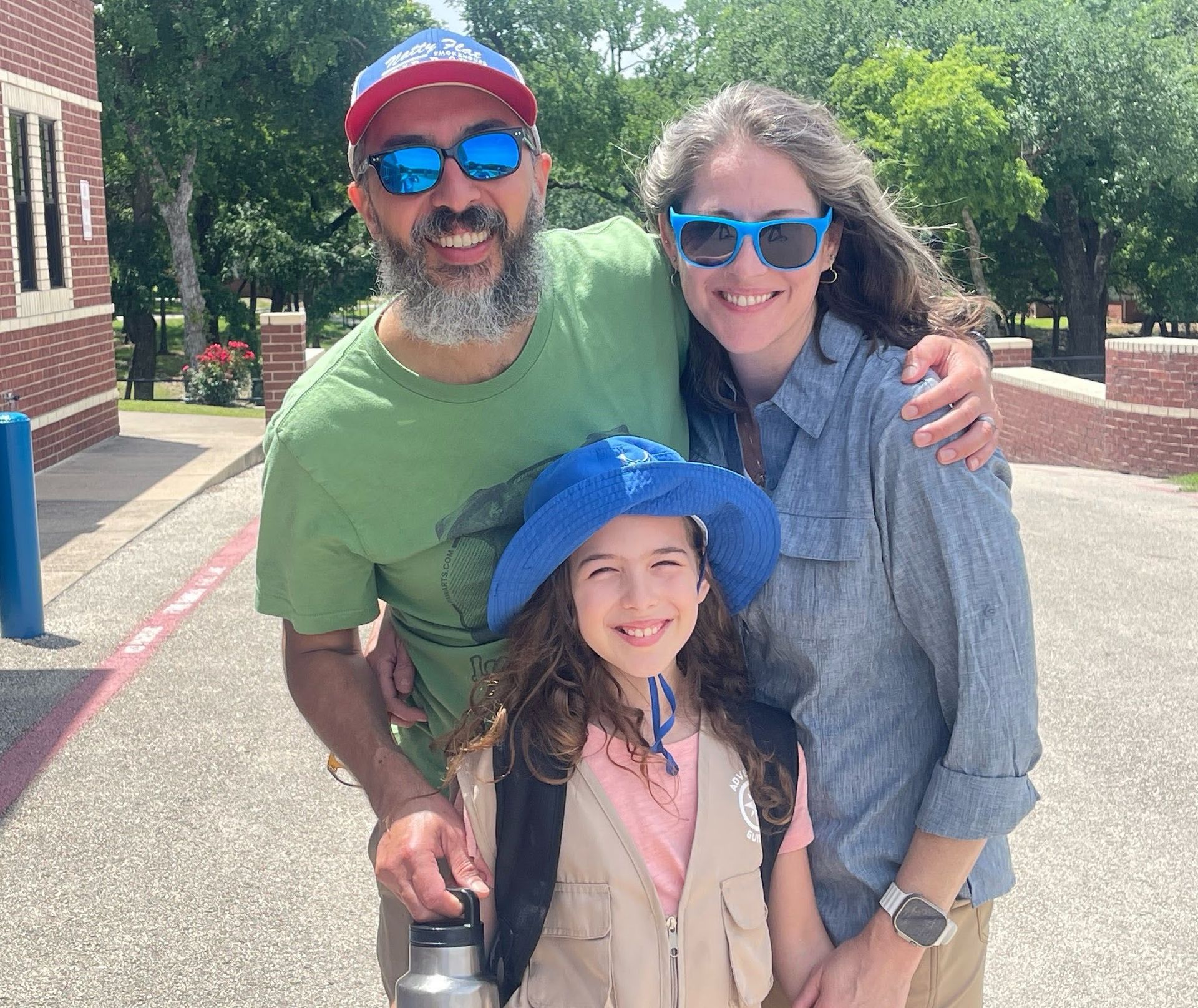
Montessori for the Adult
Life generally becomes very busy as we grow older. A Montessori-inspired life invites us to create spaces and routines that feel peaceful and purposeful.
“Life moves pretty fast. If you don't stop and look around once in a while, you could miss it.”
Hughes, 1986 (00:04:36)
Ordinary moments like cooking, gardening, reading, and creating something with our hands can be deeply meaningful. Sometimes the simplest work is what makes us feel the most connected in our lives.
Montessori and Our Seniors
As our loved ones grow older, our instinct may be to help with everything in an effort to make life ‘easier’. Such help can unintentionally take away one’s opportunity for independence. The goal is to support independence with the abilities that remain by stepping back and allowing time and opportunity for independence in daily tasks. Instead of asking, “What can I do for you?” Montessori offers the perspective of: “What can I help you do for yourself?” This communicates something powerful: You are still capable. Your choices still matter. Your life still has purpose.
One of the hardest parts of caring for someone who is aging is learning to slow down. Montessori teaches us to observe, wait, and offer only the help that is truly needed which can be difficult in working with someone at any age. This can also be one of the greatest gifts we give someone.
One of the most beautiful aspects of Montessori is its emphasis on dignity. Montessori encourages us to make room for that wisdom that can only come from experience. There is dignity in being needed.
Purpose at Every Age
People need purpose throughout their lives. Children find purpose through meaningful activities and responsibilities. Adults find purpose through work, relationships, family, creativity, and service. Seniors also need opportunities to feel useful, connected, and valued. Montessori reminds us that age does not take away a person’s value or their need to contribute.Children, adults, and seniors need purpose. Our roles evolve as we age, but our need to feel connected and valued doesn’t. Purpose can be found in small moments.
"This is education, understood as a help to life; an education from birth, which feeds a peaceful revolution and unites all in a common aim..."
-Maria Montessori, The Absorbent Mind
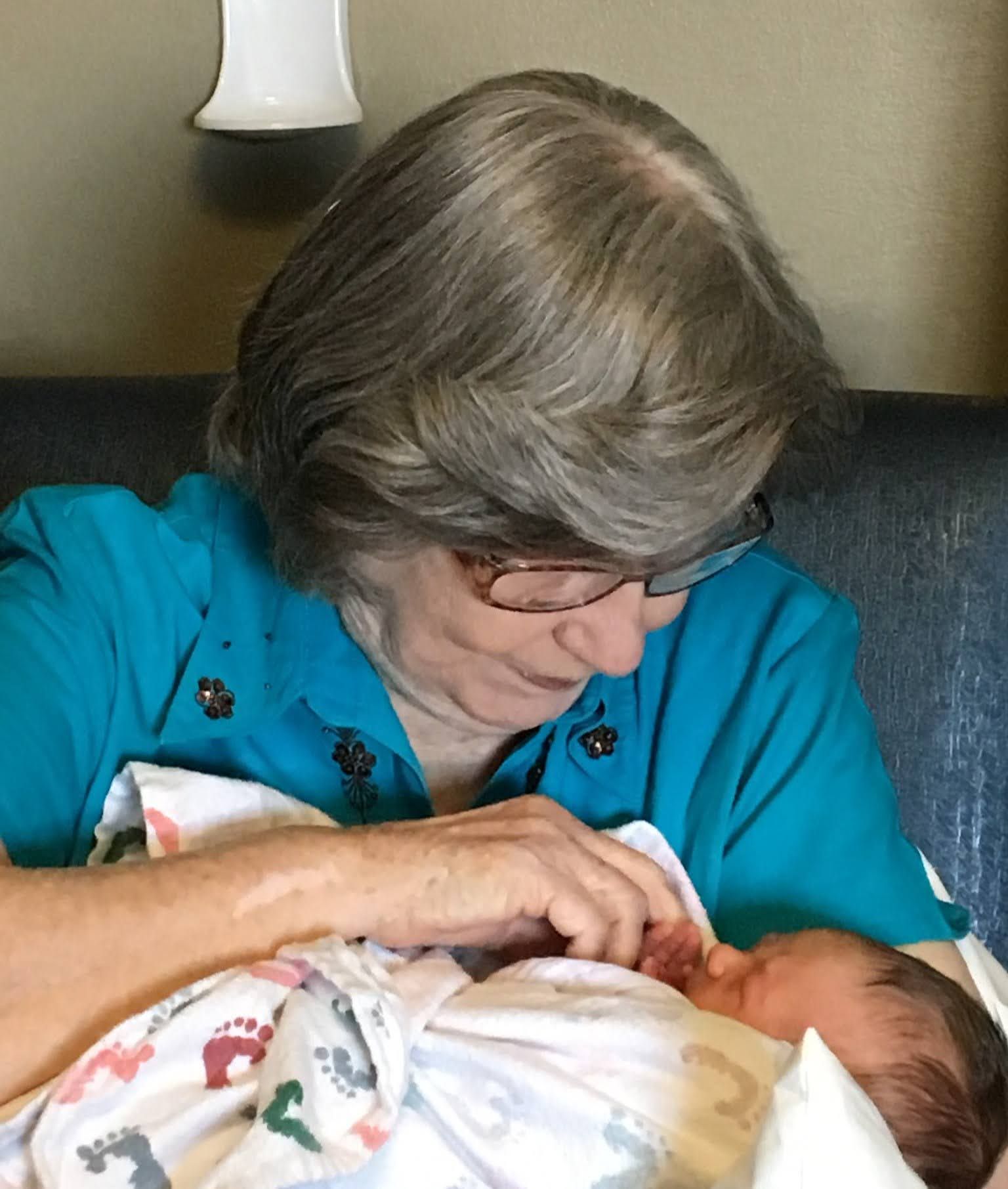
A Montessori Mindset for Life
Perhaps the greatest lesson of Montessori is not about materials in classrooms. It is about the way we treat one another. We observe before we intervene, offer choices, encourage independence, respect individual differences, and create environments that support success.
From the first steps of childhood to the wisdom of our seniors, we can continue creating environments that foster independence, curiosity, connection, and purpose. Learning never truly ends—and neither does the need to feel respected, valued, and included. Montessori asks us to preserve that sense of personhood.
Montessori can be a way of life. Montessori isn’t something we grow out of; maybe it is something that grows with us.
Hughes, J. (Writer & Director). (1986).
Ferris Bueller’s Day Off
[Film]. Paramount Pictures.
Montessori, Maria.
The Absorbent Mind.