The Naturally Prepared Environment
Why Outdoor Education is Essential
By Kat Gamber, WRM Middle School Guide
Friday, December 12, 2025
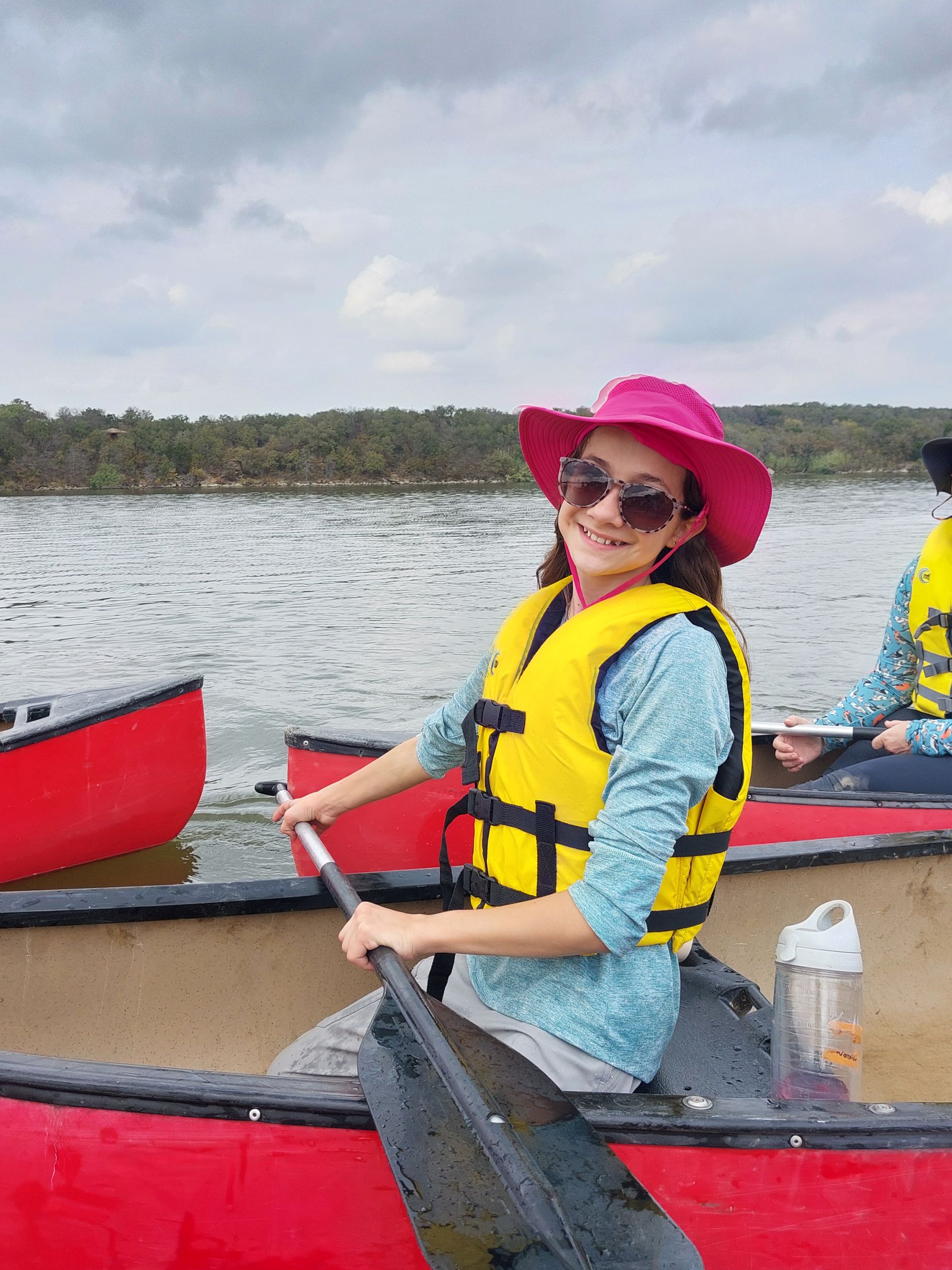
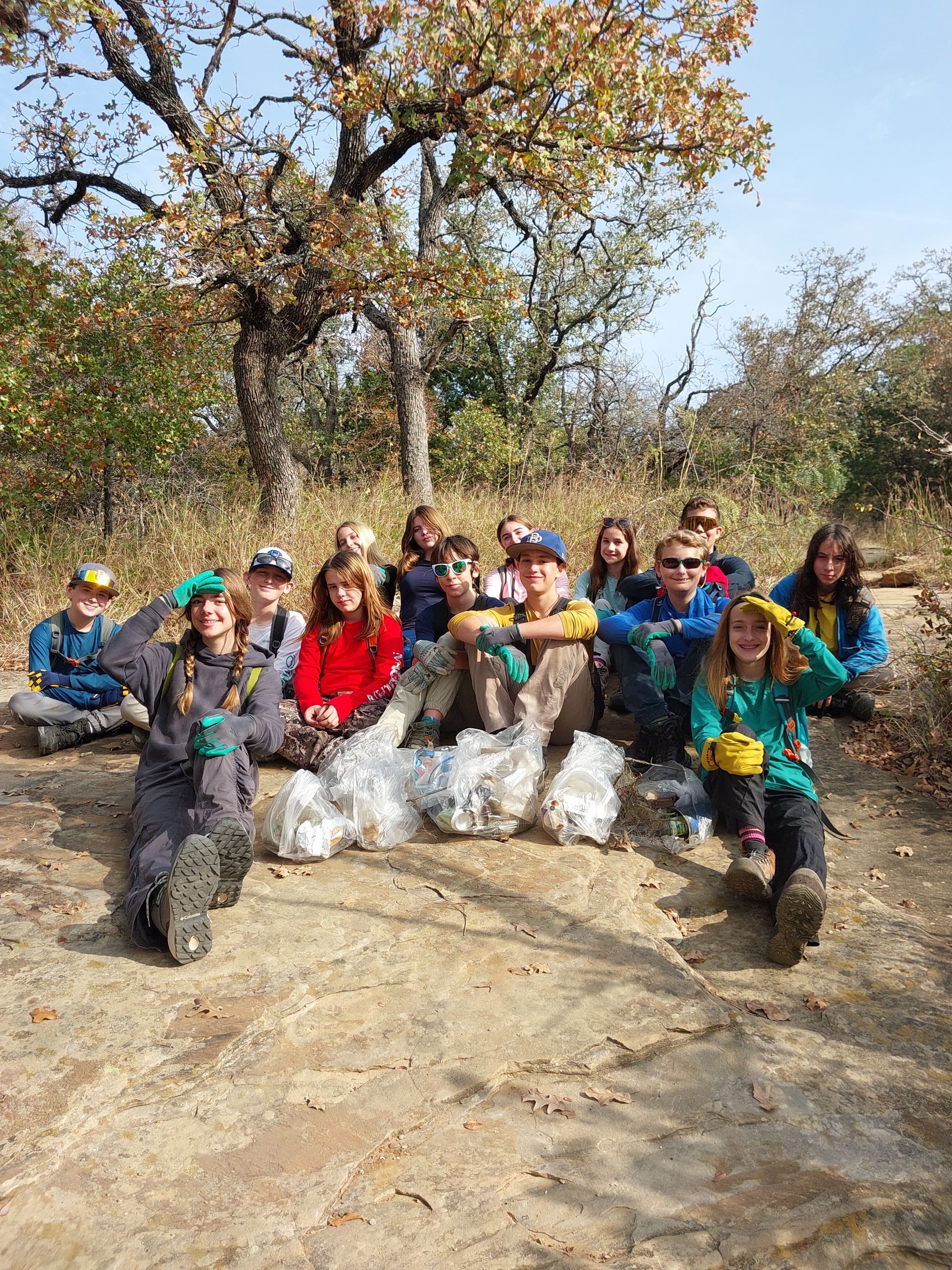
The transition from childhood to adolescence is a period of intense physical, emotional, and social change. Stepping away from the classroom to immerse oneself in nature is not merely a break from normal daily routines; nature itself acts as a fundamental prepared environment for the adolescent, designed to meet their deep need for social life, independence, and connection to place.
Current research by Lomax, Butler, Cipriani, and Singh (2024) on the effects of nature on the wellbeing of children and adolescents shows a concerning correlation: as urbanization increases and kids spend less time in nature, the rates of mental health challenges in adolescents are on the rise. Essentially, when nature fades from their daily lives, so does a crucial support system for the developing brain. Missing out on "green time" means unintentionally depriving developing minds of a vital resource that helps them buffer against stress and anxiety, naturally restore their attention and focus, and regulate mood. The quiet, reviving power of the outdoors is not a luxury, but a necessary nutrient that, when absent, leaves our children more vulnerable to the pressures of modern life.
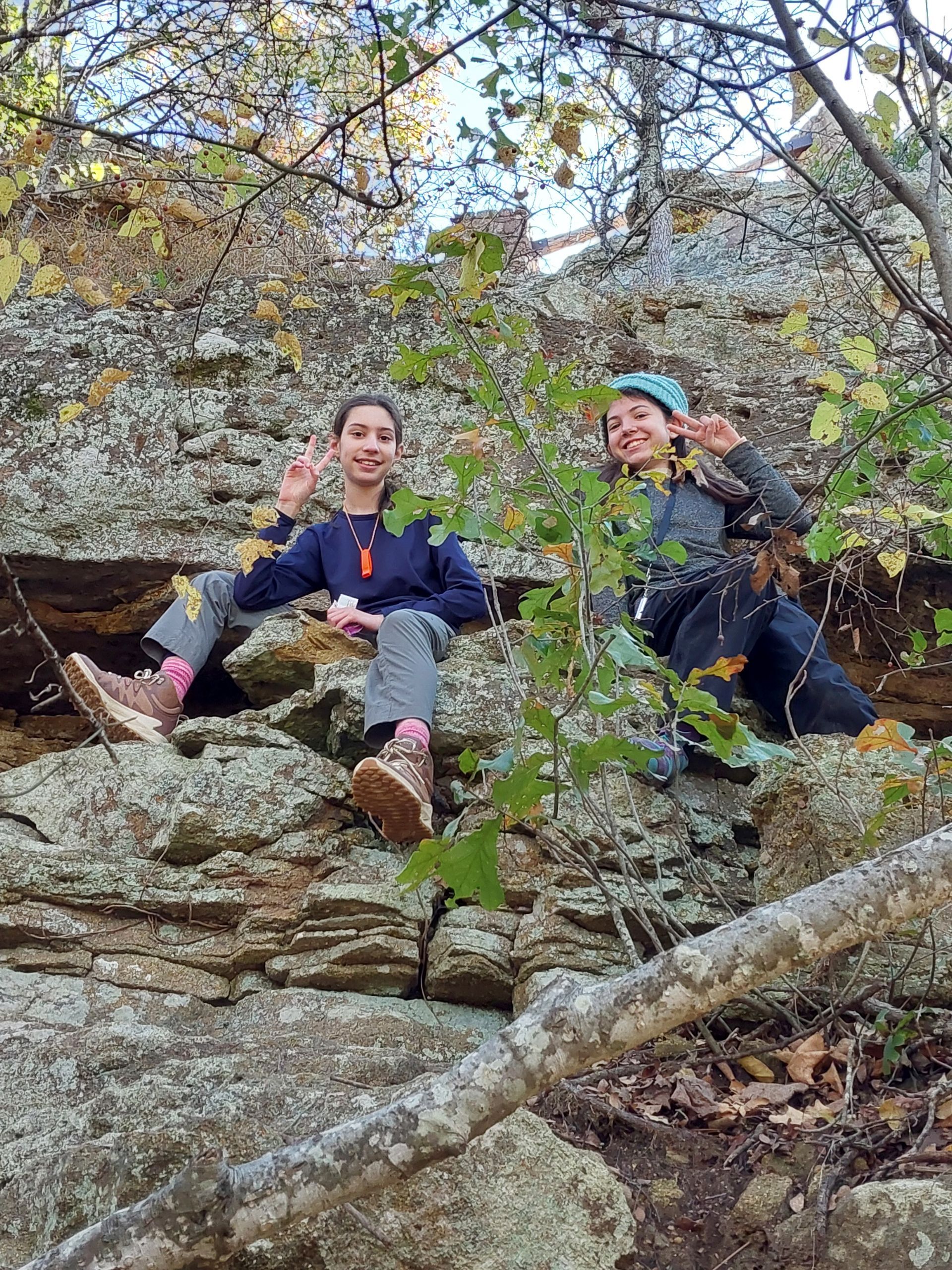
The systematic review Nature connectedness in adolescents and young adults (2025) synthesized data on the 11–26 age group, confirming that a relationship with nature is directly tied to mental health. A stronger connection to nature is associated with lower levels of stress, anxiety, and psychosomatic symptoms. For adolescents navigating high-pressure social dynamics and rapid physical changes, time in nature is therapeutic, helping to calm the nervous system and reduce stress. Furthermore, outdoor education programs like White Rock Montessori’s have shown to increase self-esteem and nature connectedness in students. Nature connectedness is a strong predictor of positive environmental actions later in life, resulting in adults who actively practice pro-environmental behavior, sustainable attitudes, and view themselves as interconnected to all living things.
Nature-based activities require collaboration, communication, and mutual reliance and serve as inclusive platforms for youth to share experiences, develop prosocial values, and strengthen social bonds and cohesion. Outdoor education is not just an enriching field trip for the Montessori adolescent; it is the very foundation of their learning experience. By embracing the natural world as an extension of the classroom, White Rock Montessori fulfills Maria Montessori's vision, nurturing young adults who are mentally resilient, deeply connected to the planet, and capable of working with independence and purpose.